페이지

Post List

레이블이 인도역사인 게시물을 표시합니다. 모든 게시물 표시

2012년 5월 7일 월요일

A.D.50 쿠싼왕조와 카니쉬카스 왕(The Kushans and Kanishkas)

서기 50년 ~ 300년


서기 50년. 쿠싼 왕조의 설립.

쿠쌴 왕조(The Kushans)는 중국의 예우치(Yeuhchi) 부족의 유목민으로부터 파생되었다. 당시 예우치 부족은 다른 부족과 분쟁중이었는데, 결국 그 다툼에서 패배해서 중국을 떠나게 되었다. 그들은 중앙아시아로 내려와 박트리아(Bactria), 파리따(Paritha), 그리고 아프가니스탄(Afghanista)으로 퍼져나가게 된다. 최종적으로 그들은 5개의 분파로 나눠졌다. 그리고 그 중 코우엘 초우강(Kouel Chougang) 파 (후의 쿠산왕조)가 가장 강성했다. 쿠잘라 휘하에 있던 쿠싼 부족은 파리따인들을 공격했다. 그리고 키-핀(Ki-pin)과 카불(Kabul)지역을 차지하였으며 당시 인도 국경지역의 지배자로 군림했다.

쿠싼 왕조의 첫 번째 왕은 쿠잘라(Kujala) - 카드피시스(Kadphises)라고 알려진 - 였다. 그는 위대한 전사였다. 그가 죽은 후 그의 아들 위마 카드피시스(Wima Kadphises)(카드피시스 2세)는 아버지의 왕위를 계승했다. 그는 왕위에 오른 후 인도의 북서부 지역을 점령하였고, 그 과정에서 북서부의 사카 사트렙(Saka Satrap) 왕국을 무너뜨렸다. 지금의 펀잡(Punjab)과 신드(Sind) 지역이 그가 통치하던 지역이다.

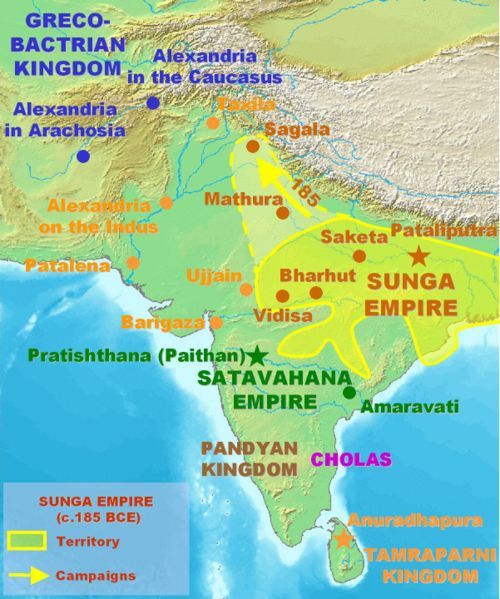
쿠싼 왕조의 영토


서기 120년. 카니쉬카의 집권

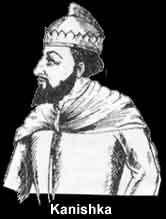
카니쉬카는 쿠샨 왕조의 왕들 중에서 가장 유명한 왕이다. 그가 어떻게 왕이 되었는지는 전해지지 않지만, 아무튼 그는 서기 120년 왕권을 잡았다. 그가 왕위에 올랐을 때 당시 아프가니스탄, 신드, 펀잡과 전(前) 파리딴의 일부, 그리고 박트리안 왕국에 이르는 영토가 그의 땅이었다. 그는 거기에 만족하지 않고 북서부인도와 카쉬미르, 갠지스 계곡 지방으로 영토를 넓혀갔다. 더불어 타쉬칸드(Tashkand), 코탄(Khotan), 야크한드(Yarkhand)라고 불리는 중국의 세 지역 또한 정복하였다. 이렇게 거대한 영토를 다스린 왕은 쿠싼 왕조에서 그가 처음이자 마지막이었다. 그는 푸루쉬뿌라(Purushpura)(지금의 파키스탄-Peshawar지역)와 서부 우따르 프라데쉬(Uttar Pradesh)의 마뚜라(Mathura)에 두 개의 수도를 건설함으로써 그가 위대한 왕이라는 것을 증명했다.


카니쉬카스 왕, 그 후 쿠싼의 몰락

카니쉬카 왕의 바로 다음 왕은 바쉬스카(Vashiska)이다. 그리고 그 다음 왕은 후비쉬카(Huvishka)이다. 이러한 왕위계승 과정을 거치면서 마뚜라(Mathura)지역은 쿠싼 왕국의 중심지로 부상했다. 후비쉬카 왕의 집권당시 수많은 기념비들이 세워졌다. 쿠싼 왕조의 마지막으로 위대한 왕은 바수데브 1세(Vasudev 1)이었다.
그 후 쿠싼 왕조는 북서부 지역의 페르시아-사싸니아인(Sassanians)들과 북쪽의 굽타인(Guptas)들에 의해 무너졌다. 쿠싼 왕조의 붕괴 시키는 남쪽의 사타바한 왕국(Satavahans)의 붕괴시기와 거의 일치한다.


쿠싼 왕조의 불교

카니쉬카왕은 집권 기간 중간 쯤에 불교를 수용했다. 그는 불교 신자가 되기 전까지 조로아스터교 신자였다고 전해진다. 그는 불교 신자가 된 이후, 불교 전파에 힘썼다. 당시 새로 생겨난 마하야나(Mahayana)라는 종교는 불교의 새로운 형태로써, 불교와 똑같이 부처를 숭배하는 종교이다. 당시 많은 낡은 수도원들이 수리되었고, 새로운 많은 사원들이 생겨났다.


쿠싼 왕조의 예술, 과학, 그리고 문학
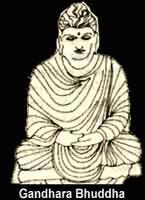
카니쉬카 왕은 예술과 문학을 사랑했다. 당시 신 간다라(Gandhara) 예술 풍조가 생겨났으며, 그리스-로마 스타일로 아름답게 꾸며진 부처 형상이 그려졌다. 이 때의 부처 형상들은 매우 현실적이고, 우아한 몸매와 곱슬거리는 머리로 묘사되었다.

카니쉬카 왕의 궁전은 아쉬바고샤(Ashvaghosha), 바수미트라(Vasumitra), 나가리우나(Nagariuna), 차라카(Charaka) 등과 같은 많은 학자들에 의해 장식되었다. 아쉬바고샤는 위대한 시인이자 음악가였으며, 부처의 일생을 기록한 부다차리따(Buddhacharita)라는 책을 썼다. 차라카는 위대한 의사였는데, 그는 아유베르다 의술에 대해 저술한 차락 삼히따(Charak Samhita)라는 책을 썼다.


(원문)
[AD 50 - 300]
AD 50: Establishment of Kushans

The Kushans were a branch of the nomadic Yeuhchi tribe of China. The Yeuhchi tribe was in conflict with another tribe and so was forced to leave China. They came to Central Asia and then spread to Bactria, Paritha and Afghanistan. Gradually they were divided into five branches. One of these branches -- Kouel Chougang (Kushans) -- was superior to all. The Kushans under Kujala attacked the Parithans, took possessions of Ki-pin and Kabul and became the complete master of the Indian borderland.

Kujala became the first king of the Kushans and was known as Kadphises I. He was a great warrior. He was succeeded by his son Wima Kadphises known as Kadphises II. He conquered the north-western region of India. He defeated Saka Satraps in the north-west. Punjab and Sind were his dominions.


AD 120: Reign of Kanishka

Kanishka was the most famous of the Kushan kings. It is not known how he became the king but he ascended the throne in AD 120. When Kanishka ascended the throne, his empire consisted of Afghanistan, Sind, Punjab and portions of the former Parithan and Bactrian kingdoms. His empire extended from the north-west and Kashmir, over most of the Gangetic valley. He annexed three provinces of the Chinese empire, namely, Tashkand, Khotan and Yarkhand. He was the only king who ruled over these territories. He had two capitals at Purushpura (Peshawar now in Pakistan) and at Mathura in west Uttar Pradesh. Kanishka proved that he was a great conqueror.


Successors of Kanishka

Kanishka's immediate successor was Vashiska who was then succeeded by Huvishka. Mathura became the centre of Kushans. Many monuments were erected during Huvishka's reign. The last great king of Kushans was Vasudev I. The Kushans were overthrown by the Sassanians of Persia in the north-west and the Guptas in the north. The rule of Kushans ended almost at the same time as that of the Satavahans in the south.

Buddhism during the Kushans

Kanishka embraced Buddhism towards the middle of his reign. He is said to have been Zoroastrian before he became Buddhist. He spent his resources in spreading Buddhism. Mahayana was the new form of Buddhism that was followed during this period where the Buddha was worshipped as God. Old monasteries were repaired and many new ones were built.


Art, Science and Literature

Kanishka was a great patron of art and literature. A new form of art Gandhara Art was developed. Beautiful images of Buddha were developed in a Greek-Roman style. These images were carved in a realistic way, with graceful bodies and curly hair.

Kanishka's court was adorned by many scholars like Ashvaghosha, Vasumitra, Nagarjuna and Charaka. Ashvaghosha was a great poet and a master of music. He wrote Buddhacharita, a biography of the Buddha. Charak was a great physician and he wrote a book Charak Samhita, which is based on the Ayurvedic system of medicine.


Copyright : Indhistory.com
번역 : 김태훈


※ 쿠싼왕조 연표 ※
89-105 AD
  Kushan king repulsed by the Chinese General Pan Chao
148-170AD
  An-Shih-Kao translates a work by Kanishka's Chaplain
152 AD
  China loses Khotan
230 AD  
  The Yueh chi king Vasudeva sends an embassy to China
276-293AD
  Sassanian conquest of parts of North-West India


국경지역, 지배권(주권), 왕위에 오르다, 부가하다/(영토등을)합병하다, 뒤집어 엎어지다, 포용하다/수용하다, 수도원, 후원자, 우아한, 장식되다/꾸며지다.

2012년 4월 18일 수요일

B.C.30. 사트바하나 왕조의 부상(Rise of the Satvahana Dynasty)(영어+번역)

 사트바하나(Satvahana) 왕국


안드라스의 사트바하나 왕국 건설
마우리아 왕국이 몰락하고 사트바하나(Satvahanas)는 데칸(Deccan)지방에 새로운 왕국을 새운다. 그리고 그것은 지금 안드라스(Andhras)라고도 알려진다. 그들은 처음에 고다바리(Godavari)기슭의 마하라쉬트라(Maharashtra)에서 힘을 모았다. 사트바하나의 시조는 시무카(Simuka)였지만, 사트바한 왕국을 번성시킨 왕은 사타카르니 1세(Satakarni 1) 이었다. 기원전 30~40년쯤 부터 서기 300년 정도 까지 사트바하나 왕국은 인도지역을 다스렸다.

사타카르니 1세는 당시 강성했던 마라띠(Marathi) 왕국의 우두머리와 동맹을 맺고, 말의 목을 자르는 아쉬바메다스(ashvamedhas)라는 의식을 통해 그의 권력을 사방에 알렸다. 그가 죽은 후, 시띠안(Scythian)족의 침략과 함께 사트바하나 왕국은 점점 몰락하게 된다.


서기 80-104년. 가우타미뿌뜨라(Gautamiputra) 왕의 집권

사트바하나 왕국 영토
가우타미뿌뜨라 사타카르나(Gautamiputra Satakarni)는 사트바하나 왕조의 유명한 왕 중에 하나이다. 그는 사카스(Sakas)(Sycthians)과 야바나스(그리스), 그리고 파라바스(Parithans)를 물리쳤다. 그는 당시 영토를 남쪽의 바나바시(Banavasi)부터 마하라쉬트라(Maharashtra), 콘칸(Konkan), 사우라쉬트라(Saurashtra), 말와(Malwa),를 거쳐 서쪽의 라자스탄(Rajasthan),과 비다르바(Vidharbha).까지 확장했었다. 그의 아들, 바시스티뿌뜨라(Vasishtiputra)는 고다바리 기슭의 파이싼(Paithan) 지역을 다스렸다.

바짜얀티(북쪽 깐나라지방)과 암라바띠(군투르 지역), 이 두 도시는 사트바하나 왕조의 가장 큰 도시들이었다. 가우타미뿌뜨라 이후의 왕들은, 많은 영토를 외세에 빼앗겼지만, 스리 야즈나 사타카르니(Sri Yajna Satakarni)왕(사트바하나 왕조의 위대했던 마지막 왕)이 다시 집권을 하면서 사트바하나 왕국의 힘은 재정비됐다. 그 이후 왕국은 몰락의 길을 걷게 된다.

몇몇 학자들은 사트바하나 왕국에는 총 19명의 왕들이 있었고, 그들이 300년동안 지배를 했다고 말한다. 그런데 다른 학자들은 30명의 왕들이 456년간 지배를 했다고 말하기도 한다. 아무튼, 사트바하나 왕조는 3세기 중간에 와서 붕괴가 되고 만다.(확실한 것은 서기 220년 이후라는 것이다.) 왕조 붕괴 후 왕국은 많은 주들로 쪼개지게 되고, 아브히라스, 추투스, 아크쉬바쿠스, 팔라바스 등에 의해 지배되게 된다.


다음은 '어린이를 위한 역사책'에서 사트바하나 왕조에 대해 발췌한 내용들입니다.


행정

사트바하나 왕국은 아하라스(aharas)라고 불리는 지역들로 나뉘어 있었는데, 그것은 아마트야(amatya) 혹은 지역 장관에 의해 다스려졌다. 사트바하나에는 거대한 군사 조직이 있었다. 여자들은 사회 생활에서 남자보다 뛰어났으며, 재산을 소유하고 각종 집회에 참여하였다.


종교

사트바하나의 지배자들은 브라만(Brahmins)이라고 알려진다. 그들은 크리쉬나(Krishna), 바수데바(Vasudeva), 그리고 다른 바쉬나바(Vaishnava)의 신들을 숭배했다. 불교 또한 번창하였었는데, 당시 지배자들은 브라만과 불교 수도승들을 위해 땅을 기부했었다.


건축과 예술

많은 불교 기도/수도원들은 바위조각으로 치장돼있었다. 마하라쉬트라 지방의 칼레(Karle)에 가면 가장 유명한 기도원중의 하나를 볼 수가 있다. 사트바하나 왕조때는 책이나 화폐를 주조할 때, 산스크리트의 한 형태라고 할 수 있는 프라틱(Pratik)을 사용했었다.


사트바하나 왕국 동전

사트바하나 왕국 조각


(원문)

The Satvahana Dynasty

After the decline of the Mauryan empire the Satvahanas established their kingdom in the Deccan. They were also known as Andhras. They first rose to power in present Maharashtra on the banks of the Godavari. The founder of the Satvahanas was Simuka. But the man who raised it to eminence was Satakarni I. The Satvahana dynasty began its rule in about 40 or 30 BC, and continued until the 3rd century AD.

Satakarni I allied with powerful Marathi chieftain and signalled his accession to power by performing ashvamedhas (horse-sacrifice). After his death, the Satvahana power seemed to have been submerged beneath a wave of Scythian invasion.


AD 80-104: Reign of Gautamiputra

Gautamiputra Satakarni was the famous king during the Satvahana dynasty. He defeated the Sakas (Scythians), Yavanas (Greeks) and Pahlavas (Parithans). His empire extended upto Banavasi in the south, and included Maharashtra, Konkan, Saurashtra, Malwa, west Rajasthan and Vidharbha. His son, Vasishtiputra, ruled at Paithan on the banks of Godavari.

Two other cities, Vaijayanti (in North Kanara) and Amravati (in the Guntur district), attained eminence during the Satvahana period. Kings succeeding Gautamiputra lost many of their territories. But the power of Satvahanas revived under Sri Yajna Satakarni, who was the last great king. After him, the empire began to decline.

Some scholars say the there were 19 kings of this dynasty which ruled for 300 years, while others say there were 30 kings who ruled for 456 years. The dynasty came to an end about the middle of the third century AD. (after AD 220). Their empire broke up into small states ruled by the Abhiras, Chutus, Ikshvakus, Pallavas.


Extract from the book A History of India for Children


Administration

The Satvahana empire was divided into provinces called aharas, each under an amatya or minister. They had a large army. Women were prominent in social life, owned property and took part in assemblies.

Religion

The Satvahana rulers were said to be Brahmins. They worshiped Krishna, Vasudeva and other Vaishnava gods. But Buddhism also flourished. They gifted land to Brahmins and Buddhist monks.

Architecture and art

Many Buddhist chaityas (prayer halls) and viharas (monasteries) were carved out of solid rocks. The most famous chaitya is at Karle, in Maharashtra. The Satvahanas used Pratik, a form of Sanskrit, for their inscription and books.


Copyright : IndHistory.com
번역 : 김태훈


고위/최고, 우두머리, 접근, 가라앉다

2012년 4월 13일 금요일

B.C. 180 마우리아 왕조의 몰락과 숭가 왕조의 등장(Fall of the Mauryas & Rise of the Sungas)(영어+번역)

마우리아 왕조의 몰락

아쇼카 왕은 37년동안 마우리아 왕국을 통치하다가 기원전 232년에 죽었다. 그는 전쟁을 포기하고 왕국내에 평화를 전파하는 데 힘썼었다. 아쇼카가 죽은 후 7명(혹자는 10명이라고 말하기도 한다)의 왕이 50년간 마우리아 왕국을 다스렸다. 그러다가 결국 마우리아 왕국은 분열되기 시작한다. 이러한 왕국의 몰락을 두고 여러가지 의견이 존재한다. 한쪽에서는 아쇼카왕 지배 당시 전쟁을 지양했던 정책이 군대를 약하게 만들었고, 결국 몰락으로 이어졌다고 말하며, 또 한쪽에서는 아쇼카 왕이 죽은 이후 왕들이 거대한 영토를 다스리기엔 부족했기 때문이라고 말하기도 한다.


마우리아 왕국 시민들의 생활
(Roshan Dalal의 "A History of India for Children"에서 참조)

마우리아 왕조때 많은 사람들은 농사를 지으며 살아갔다. 그들은 쌀, 밀가루, 보리, 면, 야채 등을 재배했다. 그리고 이외의 사람들은 예술가들이었다. 그들은 마우리아 전기 때 활발하게 활동했고, 각기 다른분야에 있어 매우 전문적이었다. 예를 들면 직물, 나무, 상아 장식물, 또는 향수, 질좋은 돌을 이용한 보석세공, 철/구리 세공품, 빛나는 검은색 주전자 등이 그들이 만들었던 물건들이다. 각종 거래꾼과 상인들은 땅/바다 가릴 것 없이 왕성하게 물건들을 팔며 다녔다. 군인들은 왕국을 지켰으며 수상과 공무원들은 왕을 보좌했다. 철학자와 종교 관련 종사자들은 왕국을 돌아다니며 삶과 죽음에 대한 진실, 그리고 삶이 왜 존재하는가에 대한 대답을 구하기 위해 노력했다.


마우리아 왕조의 기둥조각
마우리아 왕조의 사람 얼굴 조각


숭가(Sungas) 왕조

마우리아 왕조의 마지막 왕은 브리따드라따(Brithadratha)였다. 그는 기원전 185년, 당시 최고사령관이었던 푸쉬야미트라 숭가(Pushyamitra Sunga)에게 죽음을 당한다.

마우리아 왕조의 몰락과 함께 인도는 정치적 결합력을 잃게 된다. 그리고 푸쉬야미트라 숭가는 마가다(Magadha)와 주변 지역의 통치자로 군림하게 된다. 안타까운 사실은 숭가가 새로운 왕국을 새우면서 라즈푸타나(Rajputana), 말와(Malwa), 펀잡(Punjab) 등의 인도의 북서부지역은 외국의 왕들에게 넘어갔다는 것이다. 대신 숭가는 남쪽으로 영토를 확장하여 나르마다(Narmada)지역까지 지배하게 되었고, 자란다르(Jalandhar)와 시아코트(Siakot)(펀잡 내 지역)등의 북서부 지역도 점령하여 지배하게 된다.

푸쉬야미트라 숭가는 기원전 187년부터 151년까지 36년을 지배한 후 죽었다. 그의 왕위를 이은 사람은 바로 그의 아들이었던 아그니미트라(Agnimitra). 이 왕자는 인도의 가장 위대한 극작가인 칼리다사(Kalidasa)의 연극에 등장하는 영웅이기도 하다.
아그니미트라는 비디사(Vidisa)와 동부 말와(Malwa)지역의 신 베스나가르(Modern Besnagar)에서 새로운 궁정을 시작했다. 그러나 부질없게도 숭가(Sungas) 왕조의 힘은 결국 약해졌으며 숭가 왕조때 총 10명의 왕이 있었다고 전해진다.


숭가 왕국 시대의 인도 정세


칸바(Kanva) 왕조(기원전 75년 ~ 기원전 30년)


기원전 75년, 숭가 왕조의 마지막 왕은 칸바 왕조의 바수데바(Vasudeva)에게 밀려나게 된다. 바수데바는 숭가 왕조로 하여금 그들이 전에 지배하던 지역의 변두리에 대한 모호한 통치권을 보장해주었다.(아무튼 칸바와 숭가는 공존했던 셈이다 - 번역자 주) 그리고 마가다(Magadha)에서 4명의 왕들이 차례로 지배를 하게 된다.
기원전 30년, 서구 세력들이 몰아닥치면서 칸바스 왕조와 숭가 왕조가 모조리 사라지게 된다. 그리고 동부 말와(Malwa)지역은 새로운 서구 지배자들에게 넘어가게 된다.


(원문)
Fall of Mauryas

Emperor Ashoka ruled for 37 years. He died in 232 BC. During his reign he gave up war and preached peace in the kingdom. Seven kings (some say 10) followed Ashoka within a period of 50 years. The Mauryan empire was breaking up. There are different opinions about the fall of the kingdom. Some say that since the later part of Ashoka's reign was devoid of wars, the military were inactive and this weakened them. Others say after Ashoka there were no strong kings to rule such a vast empire.

Life of People in Mauryan Empire

Extract from "A History of India for Children" by Roshan Dalal:

Many people were agriculturists. They grew rice, wheat, barley, pulses, cotton and vegetables. Others were artisans. They specialised in different crafts, as in the earlier period. Textiles, wooden, and ivory objects, perfumes, jewellery from semi-precious stones, items of iron and copper and the shining black pottery described earlier, were among the things they made. Traders and merchants carried goods to far-off places by land and sea. Soldiers defended the kingdom. Ministers and officials helped the king. Philosophers and religious people wandered through the kingdom in search of the truth about life and death, and why life existed.


Sungas Dynasty

The last ruler of the Mauryan dynasty was Brithadratha. He was killed by his own commander-in-chief Pushyamitra Sunga in 185 BC.

With the fall of Mauryas, India lost its political unity. Pushyamitra Sunga became the ruler of the Magadha and neighbouring territories. The north-western regions comprising Rajputana, Malwa and Punjab passed into the hands of the foreign rulers. The kingdom of Pushyamitra was extended upto Narmada in the south, and controlled Jalandhar and Sialkot in the Punjab in the north-western regions.

Pushyamitra died after ruling for 36 years (187-151 BC). He was succeeded by son Agnimitra. This prince is the hero of a famous drama by India's greatest playwright, Kalidasa. Agnimitra used to hold his court in the city of Vidisa, modern Besnagar in Eastern Malwa. The power of the Sungas gradually weakened. It is said that there were ten Sunga kings.


Kanva Dynasty (75BC - 30BC)

The last ruler of the Sunga dynasty was overthrown by Vasudeva of the Kanva dynasty in 75 BC. The Kanva ruler allowed the kings of the Sunga dynasty to continue to rule in obscurity in a corner of their former dominions. Magadha was ruled by four Kanva rulers. In 30 BC, the southern power swept away both the Kanvas and Sungas and the province of Eastern Malwa was absorbed within the dominions of the conqueror.


Copyright : Indhistory.com
번역 : 김태훈


~가 결여된, 보리, 기술, 상아, 최고사령관, 통치권(관할)

2012년 4월 12일 목요일

B.C. 272. 아쇼카 왕(Ashoka's Reign)(영어+번역)

 기원전 273년 ~ 232년

아쇼카(Ashoka)

아쇼카(Ashoka)는 빈두사라(Bindusara)왕의 가장 촉망받는 아들이었다. 그리고 그는 매우 용감한 전사이기도 했다. 아쇼카는 마우리아 왕조의 모든 왕들중에 제일 유명하며, 인도의 가장 위대한 통치자들 중 한명이다. 그의 아버지, 빈두사라왕이 통치하더너 시절, 아쇼카는 우짜인(Ujjain)과 타씰라(Taxila) 지방을 다스리는 임무를 맡고 있었다. 그의 형들은 유망했던 아쇼카가 왕을 이어받지 못하도록 훼방을 놓았지만, 결국 아쇼카는 황제의 자리에 오르게 된다. 그리고 그는 마우리아 왕국을 극남지방과 남동부지역을 제외한 거의 전 인도 지역 및 중앙 아시아 지역으로 확장하게 된다.


기원전 261년, 칼링가(Kalinga) 전쟁

아쇼카왕의 상징, 4두사자상

아쇼카는 칼링가 지역을 지배하는데 성공했지만, 그에 대해서 엄청난 희생이 있었던 것 또한 사실이다. 거의 10만명이 죽었고 15만명이 부상당했으며, 수천명이 포로로 잡혀 칼링가의 노예가 되었기 때문이다. 이와같이 영토 확장과 정복 과정에서 많은 살육이 일어나는 것을 보며 아쇼카는 많은 고뇌와 심정의 변화를 느꼈다. 그리고 이것은 아쇼카 인생의 전환점이 된다. 그는 전쟁을 지양하고 부처의 가르침(사랑)과 아힘사(Ahimsa)(비폭력)(이것은 간디의 핵심 사상 이기도 하다 - 번역자 주)를 추구하기 시작하였다. 전쟁은 그에게 더이상 폭력과 증오 그 이상도, 이하도 아니었다. 그래서 그는 심지어 짐승을 사냥하거나 도살하는 것 또한 중단했고, 매우 엄격한 채식주의자가 되었다.


그의 이러한 정치적 움직임의 변화 아래서, 불교는 시리아, 이집트, 마케도니아, 중앙아시아, 버마 등 많은 지역으로 퍼져나가게 된다. 그리고 불교의 원활한 포교를 위해서, 사람이 많이 볼 수 있는 바위나 건물 기둥에 불교 경전을 새기기 시작한다. 그리고 이것들은 그 후 2000년간 사람들에게 사랑과 평화를 전파하고 있다. 이 때 당시 새겨진 바위나 기둥들은 지금도 인도에서 발견이 된다. 아쇼카는 그의 이러한 사상에 대해 다르마(Dharma)라는 이름을 지었다.

아쇼카는 기원전 232년 죽었다. 사르나쓰(Sarnath)에 있는 아쇼카의 기둥 머리글자는 인도의 국가적 상징으로 받아들여졌고, 그 기둥에 새겨져 있던 "다르마 차크라(Dharma Chakra)"는 인도의 국기에도 들어가 있다.

가운데 있는 차크라 문양이 아쇼카 왕의
불교사상을 의미한다. 원래 삼색국기였다가
간디의 주장으로 문양이 새겨짐


(원문)
273 BC: Ashoka coronated as Mauryan king

[273 BC - 232 BC]
Ashoka, the most trusted son of Bindusara and the grandson of Chandragupta Maurya, was a brave soldier. He was the most famous of the Mauryan kings and was one of the greatest rulers of India. During his father's reign, he was the governor of Ujjain and Taxila. Having sidelined all claims to the throne from his brothers, Ashoka was coronated as an emperor. Ashoka extended the Maurya Empire to the whole of India except the deep south and the south-east, reaching out even into Central Asia.


261 BC: The Kalinga War

Ashoka succeeded in conquering Kalinga after a bloody war in which 100,000 men were killed, 150,000 injured and thousands were captured and retained as slaves. The sight of the slaughter involved in his conquest deeply distressed Ashoka and deeply affected his mind. This was a turning point in his life. He renounced war and sought peace in Buddha's preachings of love and ahimsa (non-violence). The war also developed in him a hatred for all kinds of violence. So he gave up hunting and slaughtering of animals. He became a strict vegetarian.


Under his reign Buddhism spread to Syria, Egypt, Macedonia, Central Asia, Burma. For propagation of Buddhism, he started inscribing edicts on rocks and pillars at places where people could easily read them. These pillars and rocks are still found in India, spreading their message of love and peace for the last two thousand years. To his ideas he gave the name Dharma. Ashoka died in 232 BC. The capital of Ashoka pillar at Sarnath is adopted by India as its national emblem. The "Dharma Chakra" on the Ashoka Pillar adorns our National Flag.


Copyright : indhistory.com
번역 : 김태훈


훼방을 놓다, 보류하다, 도살, 비탄하게하다, 증오, 포교, 새기다, 칙령

B.C.298 찬드라굽타의 아들, 빈두사라의 집권(Bindusara Coronated)(영어+번역)

기원전 298년 ~ 273년

Bandusara
찬드라굽타는 25년간의 통치 이후 그의 아들 빈두사라(Bindusara)에게 왕위를 물려주고 자기 자신은 자이나교의 수행자의 길을 걸었다. 빈두사라는 힌두쿠시(Hindukush), 나마다(Narmada), 빈디야스(Vindhyas), 마이소르(Mysore), 비하르(Bihar), 벵갈(Bengal), 오리싸(Orissa), 아쌈(Assam), 발루치스탄(Baluchistan), 그리고 아프가니스탄(Agrhanistan)에 이르는 마우리아 왕조의 영토를 고스란히 물려받았다.
그는 그리스 작가들로부터 '적군 학살자'라는 뜻의 아미트라가타(Amitraghata)라는 이름으로 불리게 된다.


빈두사라의 왕국

빈두사라는 집권 이후 남부 마이소르까지 영토를 확장하게된다. 그는 16개의 주를 정복해나가며 광대한 영토를 만들어나갔다. 그 때 당시 마우리아 왕조의 영토는 인도에서 칼링가(Kalinga) - (현대의 오리싸지역)와 남부의 드라비디안(Dravidian) 왕국을 제외한 모든 지역에 이르렀다. 콜라스(Cholas), 판디야스(Pandyas), 체라스(Cheras) 시절, 드라비디안 왕국은 마우리아 왕국과 매우 우호적인 관계를 유지했다. 그래서 빈두사라는 굳이 드라비디안을 정복할 필요성을 못느꼈다. 그러나 왕이 바뀌고 칼링가(Kalinga)가 드라비디안 왕국을 다스리게 되면서 마우리아 왕조에게 더이상 우호적으로 대하지 않게 되고, 빈두사라왕의 아들, 아쇼카가 집권하면서 두 왕국은 치열한 전쟁을 벌이게 된다.


반두사라 집권 당시 마우리아 영토


빈두사라 집권당시의 행정

빈두사라는 셀루서스 니카토르(Selucus Nicator)와 우호적인 관계를 유지하며 주기적으로 외교 사절단과 선물을 주고 받았다. 그리고 그는 셀루서스의 아버지에 의해 세워진 서부 헬레닉(Hellenic West)지역과도 친선을 유지했다. 당시 빈두사라의 궁정에는 시리아와 이집트에서 온 각종 사절단들이 머물렀다. 그리고 빈두사라는 자이나교보다는 아이비카교(Aiivika)를 선호하는 편이었다.


(원문)
298 BC: Bindusara becomes the new king of Mauryan Empire

[298 BC - 273 BC]
After ruling for about twenty five years, Chandragupta left his throne to his son Bindusara and became a Jain ascetic. Bindusara inherited an empire including the Hindukush, Narmada, Vindhyas, Mysore, Bihar, Bengal, Orissa, Assam, Baluchistan & Afghanistan. He was called Amitraghata which means "slayer of foes" by Greek writers.

Bindusara's Empire

Bindusara extended his empire further as far as south Mysore. He conquered sixteen states and extended the empire from sea to sea. The empire included the whole of India except the region of Kalinga (modern Orissa) and the Dravidian kingdoms of the south. The Dravidians kingdoms of the Cholas, Pandyas and Cheras were very friendly with the Mauryan empire and so the king felt no need to conquer them. However, Kalinga was not friendly with the Mauryans and so a war was fought between the people of Kalinga and Mauryans led by Bindusara's son Ashoka.


Administration during Bindusara's Reign

Bindusara maintained good relations with Selucus Nicator and the emperors regularly exchanged ambassadors and presents. He also maintained the friendly relations with the Hellenic West established by his father. Ambassadors from Syria and Egypt lived at Bindusara's court. He preferred the Ajivika philosophy rather than Jainism.


Copyright : IndHistory.com
번역 : 김태훈


수행자/고행자

2012년 4월 5일 목요일

B.C.322 마우리아 왕조의 등장과 찬드라굽타의 인도 통일(Rise of the Mauryas, Chandragupta)(영어+번역)


기원전 322년, 찬드라굽타 마우리아의 인도 통일


[기원전 322-298년]


첫 번째 인도 왕국의 탄생

찬드라굽타
찬드라굽타(Chandragupta)는 인도의 마키아벨리라고 불리는 차나키아(Chanakya)에게 사사를 받았다. 그리고 마가다(Magadha)의 난다(Nanda) 통치자들을 물리치고 그 곳에 마우리아(Mauryan) 제국을 세우게 된다. 차나키아와 찬드라굽타는 빈디야(Vindhya) 숲에서, 난다국의 왕을 물리친 후 만났다고 전해진다.

앞 글에서 설명한 바와 같이 알렉산더의 침략으로 인해 인도는 중앙집권적인 통치 기반을 마련할 수 있었다. 찬드라굽타는 마우리아 제국을 세운 후 여러 나라들에게 전쟁을 선포하게 된다. 그는 셀루써스 니카토르(Selucus Nicator)를 물리치고 마케도이나에게 지배를 받고 있던 인도 북서부 지역을 탈환한다. 그리고 차나키야의 완벽한 조언을 받으면서, 펀잡(Punjab), 카불(Kabul), 칸다하르(Khandahar), 간다라(Gandhara), 그리고 페르시아(Persia) 지방을 손에 넣게 된다. 당시 이 모든 지역들의 지배자는 셀루서스였는데, 결국 셀루서스의 딸은 찬드라굽타와 결혼하게 된다.

다음은 한 인도 역사학자의 말이다.


"셀루서스는 전쟁에서 졌고, 결국 찬드라굽타에게 항복 선언을 했어야 했죠. 그리고 그에게 엄청난 영토 또한 빼았기게 됩니다. 예를 들면 빠로파니사다이(카불지역), 아리아(Herat지역), 아라초시아(Qanadahar지역), 제드로시아(Baluchistan지역) 들이 그가 찬드라굽타에게 빼앗긴 영토들입니다. 그리고 찬드라굽타는 이러한 영토를 얻는 대가로 셀루서스에게 (겨우) 500마리의 코끼리를 선물했습니다. 그리고 이 항복 서약은 찬드라굽타와 셀루서스 딸과의 결혼으로 매우 튼튼해집니다. 당시 그리스의 사절단은 파타리푸트라(Pataliputra) 궁전에 찾아오기 시작했죠"

- An Advanced History of India
by RC Majumdar, HC Raychaudhri & Kalinkar Datta


이 조약의 가장 주목해야 할 점은 바로, 찬드라 굽타의 명성이 서구 세계로 널리 뻗쳐 나가는 계기가 됐다는 것이다. 그리고 그 소식을 들은 서구열강들은 마우리아 왕조의 위대함에 대해 인식할 수 있었다. 그리고 이집트와 시리아의 왕들은 마우리아 궁전으로 많은 외교 사절단들을 보내게 된다.

마우리아 왕조의 최대 영토


베일에 쌓인 찬드라굽타의 탄생

찬드라굽타 마우리아의 탄생에 대해서는 정확히 전해지는 얘기가 없다. 가장 일반적인 해석으로는 그가 비천한 신분으로 태어나 공작 조련사에게서 길러졌다는 이야기가 있다. 그러나 여전히 여러가지 해석이 존재하며, 그 중 유력한 한 가지는 찬드라굽타 마우리아가 난다(Nanda) 왕자와 무라(Mura)라고 불리우던 다시(Dasi) 사이에서 태어난 아들이었다는 이야기이다. 이것은 상당히 신빙성이 있는데, 왜냐하면 찬드라굽타는 크샤트리야스(Kshatriyas)의 마우리아 부족 일원이었기 때문이다.(아마 크샤트리야스가 난다 왕과 연관이 있는것 같다.-번역자 주)


마우리아 왕국의 통치


마우리아 왕조의 번영을
보여주는 정교한 조각상
마우리아 왕국은 인도에서는 처음으로 중앙집권화 된 강력하고 거대한 나라였다. 정부는 매우 효율적으로 구성되었으며, 수뇌부는 잘 조절된 독재로 이루어지고, 기타 도시와 마을들은 민주주의로 다스려졌다. 파타리푸트라(Pataliputra)에 있는 찬드라굽타 마우리아 궁정에 머물던 그리스의 사절, 메가스테네스(Megasthenes)는 마우리아 궁정을 효율적으로 만들기 위해 많은 노력을 하였다. 그리고 그는 'Indica'라는 책을 썼는데, 그 책에서는 로마와 그리스의 많은 여행자들의 여행담이 실려 있으며, 마가스테네스 자신도 당시 마우리아 도시들이 얼마나 번영했었는지 기술해놓고 있다.
또한 그는 책에서 마우리아 왕조의 농업과 사회 모습에 대해서도 기술하고 있다. 그가 말하길, '마우리아 왕조의 농업은 매우 풍성했으며, 물은 넘쳐났고 땅은 비옥했다.' 고 한다. 또한 그는 '당시 인도인들은 밝고 풍부한 색감의 옷을 입었으며, 자유롭게 장신구와 보석을 착용하고 다녔다.'고 말한다. 그리고 당시 사회는 수많은 종교적 지역으로 나눠져 있었고, 많은 외국인이 와서 거주했다고 전해진다.


찬드라굽타 마우리아가 죽은 후, 그의 아들 빈두사라(Bindusara)가 왕위를 이어받게 된다. 그리고 그는 힌두쿠쉬(Hindukush), 나마다(Narmada), 빈디야스(Vindhyas), 마이소르(Mysore), 비하르(Bihar), 벵갈(Bengal), 오리싸(Orissa), 아쌈(Assam), 발루치스탄(Baluchistan), 그리고 아프가니스탄(Afghanista)에 이르는 거대한 영토를 지배하게 된다.


(원문)
322 BC: Chandragupta Maurya captures Magadha


Establishes First Indian Empire


[322-298 BC]
Chandragupta, with the help Chanakya (Kautilya), who is also known as the Indian Machiavelli, destroyed the Nanda rulers of Magadha and established the Mauryan empire. It is said that Chanakya met Chandragupta in the Vindhya forest, after being insulted by the Nanda king.


Alexander's invasion prompted Indians to develop a centralised state. Chandragupta declared war and defeated Selucus Nicator, the Macedonian ruler of the Northwestern territories captured by Alexander the Great.
Along with the the astute advice of Chanakya, Chandragupta also seized Punjab, Kabul, Khandahar, Gandhara and Persia from Seluces. Seluces' daughter was married to Chandragupta.

"Selucus failed and had to conclude a treaty with Chandragupta by which he surrendered a large territory including, in the opinion of certain writers, the satrapies of Paropanisadai (Kabul), Aria (Herat), Arachosia (Qanadahar) and Gedrosia (Baluchistan), in return for 500 elephants. The treaty was probably cemented by a marriage contract. A Greek envoy was accredited to the Court of Pataliputra."

- An Advanced History of India
by RC Majumdar, HC Raychaudhri & Kalinkar Datta


The most important result of this treaty was that Chandragupta's fame spread far and wide and his empire was recognised as a great power in the western countries. The kings of Egypt and Syria sent ambassadors to the Mauryan Court


Chandragupta's birth shrouded in mystery

Chandragupta Maurya's origins were shrouded in mystery. Having been brought up by peacock tamers, he could be of low caste birth. According to other sources, Chandragupta Maurya was the son of a Nanda prince and a dasi called Mura. It is also possible that Chandragupta was of the Maurya tribe of Kshatriyas.


Mauryan Administration

Maurya empire was the first really large and powerful centralised state in India. It was very well governed, with tempered autocracy at the top and democracy at the city and village levels. Megasthenes, the Greek ambassador at the court of Chandragupta Maurya in Pataliputra, had expressed his admiration for the efficient administration of the empire. His book 'Indica' is a collection of comments of other Roman & Greek travelers, and Megasthenes wrote about the prosperity of the Mauryan cities.
He further reported that agriculture was healthy, water abundant and mineral wealth was in plenty. Speaking of the general prosperity, Megasthenes wrote, "the Indians, dressed in bright and rich colors, they liberally used ornaments and gems." He also spoke of the division of society according to occupation and the large number of religious sects and foreigners in the empire.

Chandragupta Maurya's son Bindusara became the new Mauryan Emperor by inheriting an empire including the Hindukush, Narmada, Vindhyas, Mysore, Bihar, Bengal, Orissa, Assam, Baluchistan & Afghanistan.


Copyright : IndHistory.com
번역 : 김태훈


선언하다, 빈틈없는, 조약, 파견하다, 궁정, 베일에 쌓인, 공작새 조련사, 조절된 독재

B.C. 327 알렉산더대왕의 인도 침략(The Conquests of Alexander The Great)(영어+번역)


[336 BC-323 BC]


인도에 눈독을 들이는 알렉산더

알렉산더 대왕은 유럽 동남부 지역의 마케도니아를 정복했다. 그리고 마지막 페르시아 왕조를 무너뜨렸고, 아카메니안(Acharmenian) 제국까지 정복했다. 나아가 알렉산더는 당시 인도의 왕을 정복하기로 맹세했고, 그의 군대는 힌두쿠쉬(Hindukush) 산을 건너 인도로 향했다. 카불(Kabul)에서 병력을 재정비한 그의 군대는 마사가(Massaga)와 아오르노스(Aornos)의 요새를 우선 탈환했다.
알렉산더는 저 멀리 어딘가 그리스라는 나라에서 왔다. 그리고 그 곳은 지평선 저 너머에 있다고 전해졌다. 정말 놀라운 사실은 그가 단지 21살에 불과했다는 것이다.
아무튼 그는 제룸(Jhelum)강을 건너 인도의 파우라반(Pauravan)왕을 공격하기로 했다. 왜냐하면 그 지역은 매우 자원이 풍부한 곳이었기 때문이다. 파우라반 왕은 이 공격에 대해 대규모의 반격을 하기로 결심한다.


알렉산더, 파우라반 왕을 무너뜨리다


기원전 326년, 알렉산더는 오힌드(Ohind)지역의 정글 밀집지역을 뚫고 지나갔다. 그리고 인더스 강을 건너 제룸 강으로 행군을 계속했다. 그 과정에서 그는 타씰라(Taxila)왕국의 암비(Ambhi)왕의 협조를 구할 수 있었으며, 그의 군대는 더욱 강해져 갔다.
이에 대해 파우라반 왕은 3만명의 군사와 말, 그리고 코끼리 부대를 준비했다. 결국 알렉산더와 파우라반의 두 대군을 제룸강에서 맞부딪히게 되고, 파우라반 왕은 격렬히 반격했으나 결국 무너지고 만다.


알렉산더, 인도를 떠나다

알렉산더는 제룸강 정복에서 만족하지 않았다. 그는 발걸음을 옮겨 베아스(Beas) 위쪽의 첸나브(Chenab)와 라비(Ravi) 곡창지대를 손에 넣고자 한다. 여기서 이 알렉산더의 전략은 그리스 통치자들의 고전적인 전법이라고 할 수 있다. 수많은 부족과 왕들을 정복한 그는 아름다운 무늬가 새겨진 직물, 보석, 호랑이 등등 많은 전리품을 획득 할 수 있었다. 그는 계속해서 갠지스 강 지역까지 정복하려 했으나, 그의 군대는 너무 지쳐있었고, 어쩔 수 없이 발길을 멈추게 된다.

알렉산더는 아쉬운 마음을 뒤로 하고, 다시 제룸 강으로 돌아간다. 그 때 당시 그는 곳곳에 부상을 입은 상태였다. 왜냐하면 말라바스(Malavas) 부족 요새를 공격할 때 저항이 강력했기 때문이다. 이 모든 고통을 참고 그는 꿋꿋이 바루치스탄(Baluchistan) 사막을 건넜고, 드디어 바빌론에 도착했다. 그리고 기원전 323년, 그가 바빌론에 돌아온지 얼마 되지 않아 죽고 만다.

알렉산더 대왕의 인도 국경지역에서의 군림은 기원전 4세기에 들어 많이 약해졌다. 하지만 그의 끈질긴 정치활동은 무너져가던 제국주의를 부활시켰고, 인도와 그리스의 교류를 활발하게 만들었다. 이 와중에 인더스 강 주변을 점령하고 있던 마케도니아 왕조는 심각하게 무너져가고 있었다. 그러나 그들은 다양한 정치세력들을 하나로 통합시켰으며 나중에 마우리아 왕조가 인도제국을 통일하는데 커다란 초석을 제공하게 된다.


(원문)
The throne of Macedon in south-east Europe has been occupied by Alexander. Having defeated the last of the Persian rulers and conquered the Acharmenian empire, Alexander has vowed to conquer the Indian satraps. His army has crossed the Hindukush mountains and is strengthening its position near Kabul. He has captured the fortresses of Massaga and Aornos. Alexander is from a far off land called Greece. This is reportedly beyond the horizon.
The astonishing fact about this he is just 21 years old! It's known from well-placed sources that he is planning to launch a major attack on the Pauravan king across the Jhelum river. The Pauravan king is planning a massive counter attack.


Alexander defeats the Pauravan King

India, 326 BC: Alexander moves through the dense jungles of Ohind. Then, having crossed the Indus river and secured the help of the Ambhi, king of Taxila, Alexander marches on to the Jhelum. The Pauravan king with an army of 30,000 soldiers, horses and elephants provided fierce resistance but was eventually defeated.
When Alexander asked the Pauravan king to bow, the latter answered, "Act like a King". Impressed by the Pauravan king's efforts he has given him back his kingdom.


Alexander leaves India

Alexander has moved further. He concentrated on capturing the Chenab and Ravi plains upto Beas. This strategy of Alexander is typical of the great Greek rulers. Having conquered several tribes and satraps, Alexander has received many presents including brocades, gems, tigers, etc. He wanted to move further towards the Ganges valley, but has been stopped by his tired troops.

So with a heavy heart, Alexander has retraced his steps to the Jhelum. He has been severally wounded while storming one of the citadels of the powerful tribe of Malavas. Through the desserts of Baluchistan and with terrible sufferings, he has reached Babylon. And in 323 BC , not very long after his return to Babylon, Alexander dies.

"The hold of the great king [Alexander] on the Indian frontier slackened considerably in the fourth century BC. The arduous campaigns of Alexander restored the fallen fabric of imperialism and laid the foundation of a closer contact between India and the Hellenic world. The Macedonian empire in the Indus valley no doubt perished within a short time. But the Macedonian had welded the political atoms into one unit and thus paved the way for the permanent union under the Mauryas."


Copyright : IndHistory.com
번역 : 김태훈


태수, 요새, 아름다운 무늬가 새겨진 직물, 침울하게/풀이 죽어서, 발길을돌리다, 약해지다, 끈질긴/힘겨운, 구조/직물, 용접하다/하나로 합치다

2012년 3월 28일 수요일

B.C. 563~483 싯다르타/석가모니(Gautama Buddha)(영어+번역)


(고행하는 석가모니)


[563-483 BC]


고타마 붓다, 석가모니(Gautama Buddha)


석가모니는 기원전 563년 고타마(Gautama) 가문의 샤카야(Shakaya) 파벌에서 태어났다. 사카야 파는 카스트제도에서 성 전사라고 할 수 있다. 사실 싯다르타(석가모니)의 아버지는 사카야 파의 우두머리였고, 싯다르타는 사실상 운명이 정해진 왕자였다. 그가 어릴땐 매우 유복한 생활을 했었고 최고의 교육과 아버지의 부를 받으면서 자랐다. 그러나 그의 아버지는 삶에 힘겨워하는 싯다르타를 부끄러워하고 숨기기도 하였다.

싯다르타는 야쇼다라(Yashodhara)라는 여인과 결혼하여 아버지의 집에 같이 살았었다. 그는
여전히 삶의 힘겨움을 느끼면서 집에서 보호받고 있는 실정이었다. 야쇼다라는 아들을 한명 낳았는데, 그때는 싯다르타 자신이 행복하다고 믿었다.

그런데, 어느날 그는 아버지의 보호로부터 작은 탈선을 하며 세 가지를 경험하게 되는데, 그로부터 삶에 깊은 진실에 대해 눈뜨게 된다. 그가 본 것은 세 종류의 사람이었다. 첫 번째는 나이에 대해 허무함을 느끼며 한탄을 하던 늙은 남자였다. 두 번째는 병으로부터 고생하는 아픈 남자였다. 그리고 마지막으로 싯다르타가 본 것은 죽은 남자였다. 그리고 마지막 남자는 그를 매우 충격에 휩쌓이게 만들었다. 그는 결국 그가 한번도 경험해보지 못했던 늙은 나이, 질병의 고통, 그리고 죽음, 이 세 가지가 고통을 유발한다는 것을 깨닫게 된다. 바로 이 깨달음으로 인해 그는 그때부터 진실에 대해 모색해가며 살게 되었다. 그리고 이는 그의 인생 뿐만 아니라, 수백만명의 인생을 바꾸게 된다. (즉 불교가 탄생하게 된다는 이야기)

싯다르타가 29살 되던 해, 그는 집과 아내, 아들, 그리고 아버지를 등지고 집을 떠나게 된다.즉, 아버지의 왕위를 물려받아야 한다는 사실을 저버리고 궁전을 떠난 것이다. 그는 두 명의 브라만 수행자를 만나 요가 명상을 공부하였으며, 그로 인해 황홀과 고요한 명상 두가지 측면에서의 깨달음을 얻게 된다. 그러나 그 때까지만 해도 절대적 진실에 대한 그의 욕구는 아직 충족되지 못했다.

그 다음 6년간, 싯다르타는 극단적인 단식과 숨을 참는 수련을 하면서 처절한 고행을 하기 시작한다. 그리고 이로 인해 그는 거의 죽을 뻔 했지만, 여전히 완벽한 진실에 대한 그의 욕구는 충족되지 못하고 있었다.

그래서 그는 결국 그의 고행을 중단하고 다시 먹기 시작했다. 그러면서 싯다르타는 절대적 진실이 바로 그의 눈 앞에 나타날 때 까지 명상을 하기로 마음먹게 된다. 그리고 그 유명한 보리수 나무 밑에서 동쪽을 바라보며 명상에 들어간다.

기원전 528년, 그가 35살때, 보름달이 밝은 어느 날 밤이었다. 싯다르타는 드디어 정신적 계몽의 상태에 이르게 되고 '계몽된 인간'이라는 뜻의 붓다(Buddha)가 된다. 그리고 그가 마지막으로 보고 발견한 절대적 진실에 대해, 그의 옆에서 같이 수련하던 5명의 고행자들에게 바로 알려주었다.


그로부터 몇 주간의 휴식 후, 그는 그가 얻은 깨달음을 다른 사람들에게 가르치고자 Deer Garden으로 향하게 된다. 그리고 그 곳에서 그의 첫 번째 설교인 "The turning wheel of Dharma."을 사람들에게 말해주었다. 그는 특히 정신적 계몽과 그 방법에 대하여 한 번도 사람들을 가르쳐 본 적이 없었음에도 불구하고, 사람들을 가르쳐야 겠다는 강한 의지에 불타올랐다. 그는 그의 가르침을 '중도'라고 칭하였는데, 왜나하면 그것이 극단적 고행과 자유로운 방종의 중간정도의 가르침이었기 때문이다.


그리고 그로부터 45년간, 그는 '붓다'('석가모니' - 샤카야(석가)의 현인이라는 뜻)라는 이름으로 많은 사람들을 가르치게 된다. 그리고 수도승들의 공동체를 만들고 그것을 (산가)Sanga라고 칭하였다.
그리고 이렇게 45년을 가르친 후 그는 결국 80세의 나이로 열반에 이르게 된다.


(영어 원문)

Gautama Buddha

Sidhartha was born (c. 563 BC; Kapilavastu, Nepal) into the Gautama family of the Shakaya clan. The Shakayas were members of the priestly-warrior caste. In fact, Sidhartha's father was the head of the tribe so Sidhartha was a prince and seemed destined to rule. He lived a luxurious life and the received the best education his father's wealth could provide, but his father also sheltered him from life's hardships.

He married a woman named Yashodhara and they lived in his father's house.   Sidhartha was still protected from the trials of life.  Yashodhara bore a son, and Sidhartha believed that he was happy.

Then, during one of his few excursions from the protection of his father's palace, Sidhartha saw three things which opened the harsh realities of life to him.   He saw an old man, suffering from the frailties of age.  He saw a sick man, suffering from disease.  He also saw a dead man, which shocked him greatly.  He finally realized that the infirmities of old age, and the pain of sickness and death caused suffering that he had never experienced. This revelation caused him to begin a search for truth that drastically changed his life, and, eventually, the lives of millions.

At the age of twenty-nine he left his home, his wife, his son, and his father.  He gave up his claim to the succession of his father's throne and left the palace. He studied  Yogic meditation with two Brahman hermits and achieved high cognitive states in both trance and meditation, but his desire for absolute truth was not satisfied.

For the next six years, Sidhartha placed his body under severe asceticism, which included extreme fasting and suspension of breathing. These practices almost killed him, but they did not satisfy his search for truth.

He finally ended his acetic lifestyle and began to eat. Sidhartha decided to meditate until the absolute truth would lie clearly in front of him. He meditated under a Bodhi tree where he sat facing east.

At the age of thirty-five, on the night of the full moon, Sidhartha reached enlightenment and became an "enlightened one"--a Buddha (c. 528 BC) He had at last discovered the truth he had sought, and he immediately shared it with five ascetics who had practiced near him.

After a few weeks of rest, he decided to teach the way to enlightenment to others and went to Deer Garden where he held his first sermon, " The turning wheel of Dharma." Sidhartha felt a strong call to teach others even though he could never teach the content of enlightenment, only the way of enlightenment.  Buddha called his teachings "the middle way", because it was in the middle between asceticism and indulgence.

For the next forty-five years he taught as the Buddha or "Shakyamuni" (sage of the shakaya"). He also established a community of monks called sanga.

The Buddha died after forty-five years of teaching at the age of eighty.


Copyright : Indihistory.com
번역 : 김태훈

2012년 3월 27일 화요일

B.C. 550. 마하비라(Mahavira)의 탄생(영어+번역)

(자이나교의 창시자로 불리는 '마하비라')


바드하마 마하비라(Vardhamma  Mahavira)는 자이니즘(Jainism)의 창시자는 아니었다. 그러나 그는 기존 자이나 방식의 가르침을 수정하고 개선하였다. 마하비라는 기원전 559년 파트나(Patna) 근처의 카운디냐뿌라(Kaundinyapura)에서 태어났다. 고학자들은 그의 출생일과 출생지를 두고 의견이 분분하다. 일부는 마히비라가 기원전 490년에 바이샬리(Vaishali) 근처의 쿤다뿌라(Kundapura) - 현재의 비하르 지방 - 에서 태어났다고 주장하기도 한다.
아무튼 마히비라는 매우 상류층의 가정에서 태어났으며 귀족 교육을 받으며 자랐다. 그는 문학예술, 철학, 군사학, 행정과학등을 배웠다. 마하비라는 야소다(Yasoda)공주와 결혼했으며, 아노짜(Anojja)라는 딸을 두었다. 그가 28살때는 그의 부모님이 죽었고, 그로인해 마히비라는 모든것과 모든 사람들을 저버리게 되었다.

마히비라는 그의 형을 기쁘게 하기 위해 30살까지 형 집에서 살기로 결정한다. 그가 형 집에서 사는 2년동안 마히비라는 자기 수양에 힘썼으며, 금은보화를 거지들에게 나눠주었다.

마히비라가 30살이 되어 형 집을 떠날때, 그는 모든 재산과 부, 기쁨을 포기하고 떠났다. 그곳을 떠나 단식과 단음(물을 안먹음)을 하며 명상을 했다. 그리고 무엇보다 그는 그의 모든 머리를 자르고 벌거벗은 채로 어깨에 작은 천 몇 조각만을 걸친 채 거리를 횡보했다. 한 마디로 그는 집없는 부랑자가 된 것이다. 그러나 이것은 그에게 문제가 되지 않았다. 왜냐하면 그에게는 자이나교를 가르치려는 꿈이 있었기 때문이다. 바드하마 마히비라는 자이나교의 24번째 Tirthankara(Ford-Maker)(성인(聖人)을 칭하는 단어인듯)가 되었다.

마히비라는 벌거벗은 채로 북인도 여러 지역을 설교와 복음을 전하며 돌아다녔다. 그때 그가 돌아다닌 지역은 비하르, 서부 벵갈지역, 서부 우따 쁘라데시 지방이다. 그는 여러 사람들은 감복시켰는데, 왕, 왕비,부자, 거지, 남자, 여자 할 것 없이 그의 설교에 매료되었다.

마히비라는 그가 죽을 때 까지 '올바른 행동에는 다섯 가지 위대한 조약이 있다.'고 가르치며 살았다. 그 중 네 가지는 그의 이전 스승인 빠르쉬바(Parchva)의 것이었고, 다섯 번째 조약은 그가 직접 만든 것이다.
그 조약들을 살펴보자면,

Asteya : 그 누구의 물건도 훔치지 마라.
Satya : 언제나 진실만을 말하라.
Aparigrapha : 어느 누구도 재산을 갖지 마라.(무소유주의)
Ahimsa : 살아있는 생명체를 다치게 하거나 죽이지 마라.
Brahmacarya : 완전한 독신 생활을 하라.

이다.

그의 스승인 빠르쉬바는 그의 추종자들로 하여금 옷을 입도록 냅뒀지만, 마히비라는 그들이 그 어떤 옷을 입기도 원치 않았다. 마히비라는 그의 가르침에 대해 매우 신념이 강했다. 그리고 그 조약 중 가장 주목할 만한  실천은 마히비라가 해충들이 그의 몸에 살도록 냅뒀다는 것이다. 왜냐하면 그것은 네 번째 조약(Ahimsa)에 관한 것이기 때문이다. 그는 그의 몸을 해충들에게 방치했으며 모든 고통을 견뎌냈다.

"마히비라는 종교적(신적) 실천에 대한 73가지 방법을 가르쳤습니다. 그는 그것을 믿고 수용하고 공부하고 이해하고 실천하는 다양한 사람들에게 그것을 가르쳤죠. 그리고 그로 인해 완벽함과 계몽, 구원, 극락, 그리고 모든 고통의 종결을 얻게 된다고 가르쳤습니다."

그가 행한 것은 자이나교 조약의 극단적인 형태라고 할 수 있다. 그는 모든 것을 포기하고 평생을 독신으로 살아갔으니 말이다.

마하비라가 그를 포함한 사람들을 위해서 추구했던 것은 최종적으로 열반(니르바나)와 구원에 이르는 것이었다. 니르바나란 탄생과 죽음, 고통으로부터의 완전한 자유, 즉 모든 것을 초월해서 더 없이 행복한 상태를 뜻한다. 마하비라와 그의 추종자들의 최종 목적은 바로 업보에서 독립되는 것이었다. 마하비라는 그가 자이나교 생활을 시작한지 13년째 이르던 해, 단식과 단음(물을 안먹는 것), 명상을 하며 이틀 째 열반에 이르렀다. 다만 마하비라만이 열반에 이른 것은 아니지만, 그는 열반 말고도 Kevala에 이르렀다. Kevala란 완전한 지식과 궁극의 깨달음을 뜻한다.

마하비라는 기원전 527년에 72세의 나이로 죽었다. 그는 Siddha가 되었으며, 다신 탄생과 죽음을 경험하지 않았다고 전해진다. 그는 결국 업보를 극복했으며 다시는 지구에 돌아오지 않음으로써 그의 영혼을 구원하게 된다.


(원문)
Vardhamma Mahavira was not the founder of Jainism, but he reformed and refined previous teachings of the Jaina tradition. Mahavira was born in 599 BC in Kaundinyapura near modern Patna. Scholars debate the birth date and place. Some claim it to be as late as 490 BC in Kundapura near Vaishali or in Vaishali, which is in present day Bihar. Mahavira was born to a high-ranking family and received an education fit for a nobleman. He learned about literature, art, philosophy, and military and administrative sciences. Mahavira married a princess named Yasoda and had a daughter named Anojja. When Mahavira was 28, his parents died, and Mahavira wanted to abandon everything and everyone.

To please his brother, Mahavira decided to stay at his home until the age of 30. For those two years, Mahavira practiced self-discipline and gave up luxuries by giving charity to beggars.

When Mahavira left his family at the age of 30, he also gave up all property, wealth, and pleasures. He left his home and mediated, fasted, and went without water. After all this, Mahavira tore out his hair and wandered naked with a piece of cloth on his shoulder. Mahavira essentially became a homeless man. This did not bother Mahavira, because he was going to teach the Jain Religion. Vardhamma Mahavira became the 24th Tirthankara or "ford-maker" of the Jain or Jaina Religion.

Mahavira traveled naked to various parts of northern India, teaching and preaching. These parts included Bihar, western Bengal, and western Uttar Pradesh. Mahavira attracted all kinds of people, including kings, queens, rich, poor and both men and women.

Mahavira taught that the center of right conduct was the five great vows of which he preached until his death. Four were from the previous teacher Parshva, and the fifth was his own. The vows were (asteya) to not take anyone's private possessions, (satya) to always tell the truth, (aparigraha) to not own any property, (ahimsa) to not injure or annoy any living thing, and (brahmacarya) to have complete celibacy. Parshva let his followers wear clothing, but Mahavira did not want his followers to wear any. In this, Mahavira was very faithful to his teachings. The most noticeable extent of these vows was that Mahavira let vermin inhabit his body, because it was wrong to kill any living creature. Mahavira vowed to neglect his body and agreed to suffer all things that could happen. "Mahavira taught 73 methods for exertion in goodness by which many creatures, who believed in and accepted them, studied, learned, understood, and practiced them, and acted according to them, obtained perfection, enlightenment, deliverance, beatitude, and an end to all misery". This was the very extreme form of the vow. He gave up all he had and was celibate.

Mahavira's quest, for himself and others, was to finally reach nirvana or salvation. Nirvana is the attainment of the blissful state of one's self and of total freedom from the cycle of birth, death, life, pain, and misery. The final step for Mahavira and all that follow him was the final removal of the karma or self. Mahavira attained nirvana the 13th year of his new Jain life. This happened while he was fasting, not drinking water for two days, and meditating. Not only did Mahavira attain nirvana but he also attained kevala. Kevala is the absolute knowledge and is the highest awareness.

Vardhamma Mahavira finally died in 527 BC at the age of 72. Mahavira is believed to have become Siddha, never to go through the cycle of birth and death. Mahavira was able to rid himself of karma by destroying it and won his soul's salvation by never returning to earth.


Copyright : Indhistory.com
번역 : 김태훈


2012년 3월 26일 월요일

B.C. 3000~2600 하라빠 문명(Harappa Civilization)(영어+번역)


하라빠(Harappa ) 문명

인더스 문명지역은 거의 북인도의 50만 마일에 해당한다. 이는 역사상 가장 큰 문명중에 하나이다. 그 때부터 돌과 구리가 사용되었다.(동석기시대). 인더스강의 사람들은 매우 예술적이었고 기술이 정교했었다. 그리고 매우 정교하고 조직적인 도시와 강한 경제를 일구어 내었다.
인더스 강 문명의 경제는 밀, 보리의 경작이 확대되면서 번영하기 시작한다. 인더스 강은 무역 수송의 요점으로 사용되었으며, 수송물의 무게는 매우 정확하고 표준화되어 이송되었고, 상인들은 그들의 개인 도장을 갖고 있었다. 


하라빠(Harappa) 문명의 의상

인더스 문명 사람들의 정확한 기원에 대해서 아직도 논쟁중이지만, 다음과 같은 4개의 민족으로 구성되었었다고 추측된다. 그것은 바로  Protoaustioloids, Mediterraneans(지중해인), Mongoloids(몽골인), 그리고 Alpines(알프스인) 이다. 사람들은 편한 생활을 즐겼고, 루비와 금 등으로 화려하게 장식하는 것을 좋아했다. 그들은 화장을 했고, 아이들은 정교한 장난감을 갖고 놀았다. 당시 그릇들에 칠해진 기술을 보면, 당시 사람들이 매우 기술적이고, 다양한 주제들에 대해서 능통했음을 알 수 있다. 그들은 조각에도 소질이 있었는데, 테라코타로는 동물들과 인형들을 조각했고, 부드러운 돌로는 수염이난 남자를 조각했으며, 금속과 보석 조각품들도 많이 출토되고 있다. 그들의 기술의 극치는 바로 '도장'에서 나타난다. 도장에는 다양한 동물, 꽃 등의 상징이 새겨졌고, 이는 종교적이고 경제적인 가치를 상징한다.


하라빠(Harappa) 문명의 도시 계획


모헨조 다로(Mohenjo Daro)의 고대 도시는 당시 인더스 문명의 도시 계획이 어느정도였는지 잘 보여준다. 당시 도시들의 낮은 지역에는 집들이 위치했고, 요새와 성이 이 건축물들을 지키는 구조로 되어있다. 길들은 바둑판식었으며, 길들의 폭은 일정했다. 특정 크기의 벽돌들을 이용해서 건물을 지었는데, 각종 돌과 나무들도 같이 사용되었다. 당시 인더스 지역을 다스리던 통치자들은 매우 효율적인 배수 시스템을 정비하고 유지했었다. 낮은 지역들의 집들은 1층집이었고, 외관보다는 기능적인 역할이 두드러졌다. 그러나 많은 집들은 2층으로 지어졌었다.


하라빠(Harappa) 문명의 건축


모헨조 다로의 도시는 매우 정교한 상/하수도 시스템을 갖추고 있었다. 그리고 이것들은 벽돌을 이용해서 만들어졌는데, 놀라운 사실은 이 모든게 완벽하게 방수가 되었었다는 사실이다. 곡물창고 또한 지능적으로 지어졌는데, 전략적인 공기 배출구와 개별적으로 나뉜 플랫폼을 갖추고 있었다.
Lothal 지역의 항구는 내륙/해외 무역에 사용되었다.


하라빠(Harappa) 문명의 종교

인더스 문명의 문화과 종교는 상징적인 심볼들의 형태였다. 예를 들어 보리수 나무라던지 卍 문양은 종교적으로 매우 중요성을 지니고 있었다. 인간모양의 상징은 시바(Shiva)여신과 어머니 여신의 원형이다. 황소나 유니콘 등의 동물적인 상징들, 그리고 나무 정령과 물의 상징도 매우 많았었다. 


아래 이미지들은 메소포타미아와 이집트 문명이 발달되고 바루 직후, 기원전 2600세기, 인더스 강과 계곡에서 번영했던 하라빠 문명의 유물들이다.


(원문)
Harappa Civilisation 

Indus Valley civilizations covering approx 1/2 million miles of Northern Indian subcontinent is the largestancient civilization in history till now. Since both stone and copper are used it is a chalcolithicivil.The Indus Valley people are highly artistic and skilled.Their chief features include a highly organized urban setup and a strong economy.

The IVC economy is flourishing with extensive cultivation of wheat, barley. The Indus river is used fortransport, weights are all very accurate and highly standardized and traders have own personalised seals.


Harappa Civilisation - Fashion
The exact origins of the IVC people is disputed but appears to belong to four ethnic types including the Protoaustioloids, Mediterraneans, Mongoloids and Alpines. People enjoy a comfortable life with a variety of luxuries like ornaments in agate and gold, cosmetics (kajal) and elaborate toys for children. Painting on pottery is skillful and covers various themes while small sculptures in terracotta (animals, toys), soft stone (bearded man) and metal jewels abound.
The greatest artistic skill is in the seals. These engravings of animals, flowers and other symbols haveartistic, religious and economic value .


Harappa Civilisation - Town Planning
The city of Mohenjo Daro is testimony to the town planning activities of the IVC. Cities are divided into lower dwellings & the Citadel which houses important buildings. The streets form a grid system and are of modulated width. Bricks of fixed sizes are used for building while stone and wood are also used.Municipal authorities who are responsible for the whole of the valley also regularly maintain a highly efficient drainage system.Buildings in the lower area are rather monotonous, being mainly functional rather than decorative. But many houses are 2 storeyed.


Harappa Civilisation - Architecture
Great Bath: Mohenjo Daro has a sophisticated system of water supply & drainage and its brickwork, is highly functional and the amazing part of it is - that it is completely waterproof. The granaries are also intelligently constructed, with strategic airducts and platform are divided into units.
The Dock at Lothal is to be used for inland & foreign trade.


Harappa Civilisation - Religion
The culture and religion of the IVC overlap and perhaps repetitive symbols such as the pipal leaf and swastika have religious significance. Human dieties include a "proto type of Shiva" and a mother goddess. Animal symbols such as the bull and unicorn and those of tree spirits and water dieties are also common.
These are images from the Harappan culture which existed in the Indus River Valley and which reached its peak around 2600 BC, shortly after the development of urban societies in Mesopotamia and Egypt.  Additional information can be found on the " India and South Asia " Chronology.


Copyright : IndiaHistory.com
번역 : 김태훈

고대 인도역사 개괄(영어+번역)


고대 인도 개괄

인더스 강 문명은 기원전 3000~1500년에 존재했다. 그 때는 Kot Diji 문명 초기였는데, 이는 인더스 문명 전 시기인 기원전 3300~2800에 해당한다. 인더스 문명의 최대 결과물은 Harappa(하라파)와 Mohenjo-daro(모헨조 다로)의 도시라고 할 수 있다. 이 도시들은 전형적인 모양을 갖추고 매우 조직적으로 구성되어 있던 것으로 잘 알려져있다. 

그 다음 아리아인들이 인도에 들어오게 되는데, 그들은 자연에 대한 찬양과 삶을 열정적으로 찬양하는 민족이었다. 이로인해 'Aryan(아리아인)' 은 영국인들에 의해 '고귀한' 뜻으로 쓰이게 된다. 기원전 6세기에는 Magadh(마가디) 왕조가 자리를 잡았다. 그리고 그 후 기원전 322~298년에는 Chandragupta Maurya(찬드라굽타 마우리아)가 강압적인 마가디왕조를 내쫓고 그의 왕조를 세웠다.


Ashoka(아쇼카 왕)은 바로 그 찬드라굽타 마우리아 왕국의 가장 유명한 왕이다. 그는 기원전 273년부터 기원전 232년까지 카쉬미르(북부지역)부터 밑으로는 마이소르(남쪽), 오리사(동쪽)에 이르는 거대한 영토를 지배하였다. 그는 기원전 269년 오리사 지방 전투에서 대량 살육을 목격하고, 올바름과 정의를 위해서 정치를 하였다.(이를 인도어로 Dharmma라 한다.). 

그 후 시대에는 아쇼카 왕조가 해체되게 되고, 인도는 많은 침략을 당하게 된다. 그리고 Indo Bactrians, Sakas등의 외부 세력들로부터 통치를 받게 된다. 이러한 불안정은 400여년간 지속되었는데, 결국 TheGuptas가 새로운 왕국을 세우게 된다.


Kalidas는 유명한 산스크리트어 시인이자 극작가이다. 그는 Abhijnana Shankuntalam, Kumarsambhavam, Meghadutam의 작가이기도 하다. 그는 굽타 궁정을 칭송하게 아름답게 꾸몄다고 전해진다. 그리고 유명한 수학자인 Aryabhatta와 유명한 천문학자인 Varahmihir가 이 시대(굽타 왕조)에 활동했었다. 또한 아잔타 석굴의 화려한 벽화들도 이 시기와 어깨를 나란히한다. 

인도 중세 시대에는 Pandayas와 Pallavas가 남인도 지방을 지배햇었다. Pandayas가 오늘날 티루네벨리와 마두라이 지방으르 지배할 동안, Cholas는 데칸(오늘날의 탄자뿌르와 티루찌라빨리 지방)을 지배했다. 

Pallayas 왕조의 Kanchi는 A.D 4세기에 혜성처럼 등장했다. 그리고 거의 100년동안 태평성대를 이루면서 지배를 하였다. 이 시기에는 Nayanar와 Alyar의 성(聖) 시인들이 활동했으며, 보석으로 치장된 Mahabalipuram의 해안신전들도 지어졌다. 그러다 9세기에 들어 Cholas왕조가 Pallavas왕조를 몰아내고 남인도 지방의 정치 주도권을 지게 된다. 그리고 15세기에는 Pandayas왕조 또한 무너지게 된다.


Ancient India


The Indus Valley Civilization existed in between 3000-1500 BC while the earlier Kot Diji cultures, of the pre-Indus period, existed in the period of approximately 3300-2800 BC. Harappa and the city of Mohenjo-Daro were the greatestachievements of the Indus valley civilization. These cities are well known for their impressive, organized and regular layout.
Then came Aryans who composed these evocative hymns to nature and celebrated life exuberantly referred to themselves as Aryas usually anglicised as Aryan meaning 'noble'. The 6th Century B.C. was the period of Magadh Kingdom. Chandragupta Maurya ousted the oppressive ruler of Magadh to find his own dynasty that existed from 322 - 298 B.C.

The most famous Maurya King Ashoka the Great ruled from 273 - 232 B.C over a large kingdom stretching from Kashmir and Peshawar in the North and Northwest to Mysore in the South and Orissa in the East. He after witnessing the carnage at the battle field of Kalinga (269 B.C.) in Orissa, dedicated himself to Dharmma ( righteousness ).
In the subsequent centuries, after the Ashoka empire disintegrated, India suffered a series of invasions, and often fell under the spell of foreign rulers - Indo Bactrians, the Sakas and others. After the next 400 years of instability theGuptas established their kingdom.

Kalidas, the famous Sanskrit poet and dramatist, author of Abhijnana Shankuntalam, Kumarsambhavam and Meghadutam is believed to have adorned the Gupta court. Also the great mathematicians like Aryabhatta and astronomers like Varahmihir lived during this period. The dazzling wall paintings of the Ajanta caves too are traced back to this era.

Cholas, Pandayas and Pallavas ruled over the southern part of India during the medieval period of Indias history. Cholas ruled the territory of Deccan (today the districts of Thanjavur and Tiruchirapally) while the Pandyas reined around present day Tirunelvelli and Madurai.

Pallavas of Kanchi rose to prominence in the 4th Century A.D. and ruled unchallenged for about four hundred years. The Nayanar and Alvar saint poets belong to this period. The gemlike shore temples at Mahabalipuram date to this period. The Cholas overthrew the Pallavas were in the 9th Century and regained political primacy in south India. The 15th Century saw the decline of the Pandyas.


Copyright : IndiaHistory.com
번역 : 김태훈