페이지

Post List

2012년 4월 6일 금요일

PMI (Purchase Management Index)를 파헤쳐보자


PMI(Purchase Management's Index)는 Markit Group이 발명한 경제 예측 지수이다.
이것은 오로지 사적 부문만 반영을 하며 공적부문에 대해서는 반영을 하지 않는다.
그래서 제조업체들에서 물건 매매를 담당하는 사람들이 앞으로 경기를 예측할때 유용하게 쓰인다.

기본적으로 PMI는 실무자들의 설문조사를 통해 도출되며 계산 방식또한 간단하다.

위키피디아의 내용은 그냥 PMI지수가 언제 발표되고 어떻게 수정되었고 이런 개괄적인 내용이라서 굳이 다 읽을 필요는 없고

정말 중요한 것, '어떻게 PMI 지수를 산출하는가'에 대해서 알아보자.

일단 PMI의 산출 공식은 다음과 같다.


PMI INDEX = (P1*1) + (P2*0.5) + (P3*0)


P1 = 경제가 오를 것이라고 대답한 사람의 %
P2 = 경제가 오르지도, 떨어지지도 않을 것이라고 대답한 사람의 %
P3 = 경제가 떨어질 것이라 대답한 사람의 %

생각해보자.

Case 1)
100명을 설문조사를 했다. 여기서 100명 모두가 경제가 오를 것이라고 대답한다면?
P1은 100, 나머지 P2와 P3는 0이 되면서 PMI는 100이 나온다.

Case 2)
100명 중에 50명은 경제가 오른다, 50명은 경제가 내린다고 대답한다면?
P1 = 50, P2 = 0, P3 = 50으로 PMI는 50이 나온다.

Case 3)
100명중에 40명은 경제가 오를 것이다, 30명은 변하지 않을 것이다., 20명은 경제가 내릴 것이다 라고 대답한다면?
P1 = 40, P2 = 30, P3 = 20으로 PMI는 55가 나온다.


개인적으로 이 지수의 재밌는 점이 이것이다.
왜냐하면 변하지 않다고 대답한 사람의 비중을 양수 0.5로 뒀기 때문이다.
100명 모두가 변하지 않을 것이라고 대답한다면 PMI는 50이 나온다.
이것은 50명이 오를것이다라고 대답하고, 50명이 내릴 것이다라고 대답한 결과와 같다.

그래서 PMI의 기준값은 50이 된다.
50을 기준으로 PMI가 50보다 크면 경제 전망이 좋다고 판단할 수 있으며
50을 기준으로 PMI가 50보다 낮으면 경제 전망이 안좋다고 판단할 수 있는 것이다.

다만, P2의 가중치를 0.5로 둠에 따라 PMI의 신뢰도는 50근처보다는 양극단에 가까워질수록 높아진다고 생각한다. 즉, 50근처에서는 그다지 신뢰할 만한 경제 예측 지표는 아니라는 생각이다.


(위키피디아 원문)
The Purchasing Managers' Index (PMI) is an indicator produced by Markit Group and the Institute for Supply Management of financial activity reflecting purchasing managers' acquisition of goods and services.[1][2]
Markit Group and the Institute for Supply Management compile The Purchasing Managers' Index (PMI) surveys on a monthly basis by polling businesses that represent the make up of the respective sector. The surveys cover private sector companies, but not the public sector.
The current Purchasing Managers' Index (PMI) survey can be found under "ISM Reports On Business" on the ISM home page, or directly on this page. The surveys are released shortly after the end of the reference period. The actual release dates depend on the sector covered by the survey. Manufacturing data are generally released on the 1st working day of the month, followed by construction on the 2nd working day and services on the 3rd working day.[3]
The Institute for Supply Management in Tempe, Arizona.(ISM) began to produce the report for the US in 1948.The data for the index are collected through a survey of 400 purchasing managers in the manufacturing sector on five different fields, namely, production level, new orders from customers, speed of supplier deliveries, inventories and employment level. Respondents can report either better, same or worse conditions than previous months. For all these fields the percentage of respondents that reported better conditions than the previous months is calculated. The five percentages are multiplied by a weighing factor (the factors adding to 1) and are added.[4]
The Chicago-PMI survey registers manufacturing and non-manufacturing activity in the Chicago region. Investors care about this indicator because the Chicago region somewhat mirrors the nation in its distribution of manufacturing and non-manufacturing activity.
The predominant operator and owner of the Purchasing Managers Index (PMI) series outside the US is the Markit Group[4]
The Markit and ISM Purchasing Managers Indices include additional sub indices for manufacturing surveys such as new orders, employment, exports, stocks of raw materials and finished goods, prices of inputs and finished goods.[4]
Other similar purchasing managers indices are operated by the IFO in Germany, The Bank of Japan in Japan (tankan) and the China PMI operated by the Chinese Government.[citation needed]


Formula and calculation

PMI data are presented in the form of diffusion indexes and are calculated as follows:[4]
INDEX = (P1*1) + (P2*0.5) + (P3*0)
P1 = Percentage number of answers that reported an improvement.
P2 = Percentage number of answers that reported no change.
P3 = Percentage number of answers that reported a deterioration.
Thus, if 100% of the panel reported an improvement the index would be 100.0. If 100% reported a deterioration the index would be zero. If 100% of the panel saw no change the index would be 50.0 (P2 * 0.5).
Therefore, an index reading of 50.0 means that the variable is unchanged, a number over 50.0 indicates an improvement while anything below 50.0 suggests a decline. The further away from 50.0 the index is, the stronger the change over the month. E.g. a reading of 55.0 points to a stronger increase in a variable than a reading of 52.5.[4]


원문 출처 : 위키피디아

2012년 4월 5일 목요일

인도와 중국, 유로존 위기로 인해 성장 둔화(India, China slow down as euro zone slips into recession)


유로존 위기가 아직 해결되진 않은 모양이다.
작년에 비하면 많이 좋아졌다고 할 수 있지만, 여전히 늪에서 허우적대고 있다.
특히 1,2월 잠깐 반등하는가 싶더니 3월엔 다시 분위기가 우울하다.
미국은 구체적인 경기 부양책을 마련하는데 골머리를 썩고 있으며, 유럽과 중국, 인도 모두 경제적 부담이 이만저만이 아니다.
특히 유럽 전반의 PMI지수는 지난달에 비해 떨어졌으며, 경기가 수축국면으로 다시 들어가는게 아닌가 하는 의심도 생긴다.
하지만 일부 측에서는 이것이 단지 순간적인 수축에 불과하다고 일축하기도 한다. 왜냐하면  기업 신용과 서비스 부문의 활기가 살아나고 있기 때문이다.
모든 나라가 우울한 것은 아니다. 영국은 이 와중에도 PMI 가 55포인트대로 들어섰다. 지난 2월에 비해 2포인트 가량 오른 수치이다.
반면 인도는 올해들어 가장 높은 실업률을 기록하며 경기가 안정을 찾지 못하고 있다.
중국 또한 PMI지수가 크게 떨어졌다.
앞으로 전세계 경제는 어떻게 흘러갈지 궁금하다.


(원문)
The euro zone's services business remains mired in a mild recession but activity is perking up in Britain and is more robust in Asia, according to data on Wednesday that underscored widening fault lines in a plodding global economy.

Sagging orders kept euro zone businesses in the doldrums in March, although companies became more confident that better times lie ahead, a survey showed. That contrasted with evidence of a slowdown in India and wilting business confidence.

The uneven data come a day after markets were jolted by news that the US Federal Reserve, while guarded on the clearly brighter economic prospects there, looks far from considering any more stimulus for the world's largest economy.

Given that there are no concrete plans to stimulate growth in debt-ridden Europe, the onus remains firmly on developing nations such as China and India, which are slowing, to carry world economic growth. Markit's Eurozone Composite Purchasing Managers Index (PMI), which gauges how thousands of companies - from banks to hairdressers and restaurants - fare each month, edged down to 49.1 in March from 49.3 in February, slipping further below the 50 mark that divides growth from contraction.

Although that was better than a preliminary reading of 48.7, survey compiler Markit said it probably consigned the euro zone to recession, defined as two consecutive quarters of contraction in gross domestic product.

"(It) suggests that the first quarter of 2012 was not as bad as the final quarter of 2011, but the last two months of surveys have been well below the upturn promised in January," said economists Janet Henry, European economist at HSBC.

"The strength of service sector business confidence raises hope for a future recovery."

The services PMI, measuring the fortunes of the services sector was a little less gloomy than originally portrayed, rising to 49.2 from 48.8 in February, a substantial upwards revision from the 48.7 flash reading for March.

However, Europe's problems look far from over. Spanish borrowing costs jumped at a bond auction on Wednesday, jolting wider European markets, as this week's tough budget failed to calm investors' nerves about the country's finances. New business levels continued to shrink and at a faster pace last month, which does not bode well for April, although services firms sounded more upbeat about the future, with business expectations at an eight-month high.

"With business confidence in the service sector running at a far higher level than late last year, the recession may also be brief," said Chris Williamson, Markit's chief economist.

That coincided with a new tranche of three-year loans given to banks by the European Central Bank in February, worth more than half a trillion euros. But some euro zone countries are clearly doing better than others. Activity held essentially unchanged in France, while it picked up slightly in Germany. And the downturn in Spanish services activity, while still worrying, unexpectedly eased.

"The downturn is currently only very mild ... with gross domestic product probably falling by just 0.2% in the first quarter," said Markit's Williamson, speaking about overall euro zone growth. That tallies with a Reuters poll of economists taken two weeks ago, which projected the euro zone economy would stagnate in the second quarter. Employment in the services sector fell across the region for a third month, although Germany bucked that trend by posting its best upturn in jobs in the year to date, Markit said.

UK and India

The UK services PMI, by contrast, taken together with manufacturing data earlier this week that also showed a better performance than the euro zone, suggested Britain's economy expanded by 0.5% in the first quarter, Markit said.

The Markit/CIPS services survey rose to 55.3 in March, well above 53.8 in February, confounding expectations for a decline to 53.4. In India, a comparable report showed services growth slipped to a five-month low in March as business confidence faded to its weakest since 2009. The HSBC Markit Business Activity index fell sharply to 52.3 in March from 56.5 the previous month. Growth of new business, which had powered the modest rise in activity until now.


Published: Wednesday, Apr 4, 2012, 16:42 IST
By Andy Bruce | Place: London | Agency: Reuters


늪에 빠지다, 생기를 불어넣다, 터벅터벅 걷는/무겁게 발걸음을 옮기는, 축 늘어지다, 우울/의기소침, 시들다, 요동치다/덜컹거리다, 짐/부담, 수축, 건네주다/위임하다, 계산/장부, 썪다,

B.C.322 마우리아 왕조의 등장과 찬드라굽타의 인도 통일(Rise of the Mauryas, Chandragupta)(영어+번역)


기원전 322년, 찬드라굽타 마우리아의 인도 통일


[기원전 322-298년]


첫 번째 인도 왕국의 탄생

찬드라굽타
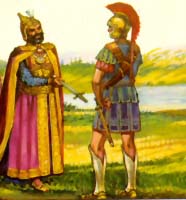
찬드라굽타(Chandragupta)는 인도의 마키아벨리라고 불리는 차나키아(Chanakya)에게 사사를 받았다. 그리고 마가다(Magadha)의 난다(Nanda) 통치자들을 물리치고 그 곳에 마우리아(Mauryan) 제국을 세우게 된다. 차나키아와 찬드라굽타는 빈디야(Vindhya) 숲에서, 난다국의 왕을 물리친 후 만났다고 전해진다.

앞 글에서 설명한 바와 같이 알렉산더의 침략으로 인해 인도는 중앙집권적인 통치 기반을 마련할 수 있었다. 찬드라굽타는 마우리아 제국을 세운 후 여러 나라들에게 전쟁을 선포하게 된다. 그는 셀루써스 니카토르(Selucus Nicator)를 물리치고 마케도이나에게 지배를 받고 있던 인도 북서부 지역을 탈환한다. 그리고 차나키야의 완벽한 조언을 받으면서, 펀잡(Punjab), 카불(Kabul), 칸다하르(Khandahar), 간다라(Gandhara), 그리고 페르시아(Persia) 지방을 손에 넣게 된다. 당시 이 모든 지역들의 지배자는 셀루서스였는데, 결국 셀루서스의 딸은 찬드라굽타와 결혼하게 된다.

다음은 한 인도 역사학자의 말이다.


"셀루서스는 전쟁에서 졌고, 결국 찬드라굽타에게 항복 선언을 했어야 했죠. 그리고 그에게 엄청난 영토 또한 빼았기게 됩니다. 예를 들면 빠로파니사다이(카불지역), 아리아(Herat지역), 아라초시아(Qanadahar지역), 제드로시아(Baluchistan지역) 들이 그가 찬드라굽타에게 빼앗긴 영토들입니다. 그리고 찬드라굽타는 이러한 영토를 얻는 대가로 셀루서스에게 (겨우) 500마리의 코끼리를 선물했습니다. 그리고 이 항복 서약은 찬드라굽타와 셀루서스 딸과의 결혼으로 매우 튼튼해집니다. 당시 그리스의 사절단은 파타리푸트라(Pataliputra) 궁전에 찾아오기 시작했죠"

- An Advanced History of India
by RC Majumdar, HC Raychaudhri & Kalinkar Datta


이 조약의 가장 주목해야 할 점은 바로, 찬드라 굽타의 명성이 서구 세계로 널리 뻗쳐 나가는 계기가 됐다는 것이다. 그리고 그 소식을 들은 서구열강들은 마우리아 왕조의 위대함에 대해 인식할 수 있었다. 그리고 이집트와 시리아의 왕들은 마우리아 궁전으로 많은 외교 사절단들을 보내게 된다.

마우리아 왕조의 최대 영토


베일에 쌓인 찬드라굽타의 탄생

찬드라굽타 마우리아의 탄생에 대해서는 정확히 전해지는 얘기가 없다. 가장 일반적인 해석으로는 그가 비천한 신분으로 태어나 공작 조련사에게서 길러졌다는 이야기가 있다. 그러나 여전히 여러가지 해석이 존재하며, 그 중 유력한 한 가지는 찬드라굽타 마우리아가 난다(Nanda) 왕자와 무라(Mura)라고 불리우던 다시(Dasi) 사이에서 태어난 아들이었다는 이야기이다. 이것은 상당히 신빙성이 있는데, 왜냐하면 찬드라굽타는 크샤트리야스(Kshatriyas)의 마우리아 부족 일원이었기 때문이다.(아마 크샤트리야스가 난다 왕과 연관이 있는것 같다.-번역자 주)


마우리아 왕국의 통치


마우리아 왕조의 번영을
보여주는 정교한 조각상
마우리아 왕국은 인도에서는 처음으로 중앙집권화 된 강력하고 거대한 나라였다. 정부는 매우 효율적으로 구성되었으며, 수뇌부는 잘 조절된 독재로 이루어지고, 기타 도시와 마을들은 민주주의로 다스려졌다. 파타리푸트라(Pataliputra)에 있는 찬드라굽타 마우리아 궁정에 머물던 그리스의 사절, 메가스테네스(Megasthenes)는 마우리아 궁정을 효율적으로 만들기 위해 많은 노력을 하였다. 그리고 그는 'Indica'라는 책을 썼는데, 그 책에서는 로마와 그리스의 많은 여행자들의 여행담이 실려 있으며, 마가스테네스 자신도 당시 마우리아 도시들이 얼마나 번영했었는지 기술해놓고 있다.
또한 그는 책에서 마우리아 왕조의 농업과 사회 모습에 대해서도 기술하고 있다. 그가 말하길, '마우리아 왕조의 농업은 매우 풍성했으며, 물은 넘쳐났고 땅은 비옥했다.' 고 한다. 또한 그는 '당시 인도인들은 밝고 풍부한 색감의 옷을 입었으며, 자유롭게 장신구와 보석을 착용하고 다녔다.'고 말한다. 그리고 당시 사회는 수많은 종교적 지역으로 나눠져 있었고, 많은 외국인이 와서 거주했다고 전해진다.


찬드라굽타 마우리아가 죽은 후, 그의 아들 빈두사라(Bindusara)가 왕위를 이어받게 된다. 그리고 그는 힌두쿠쉬(Hindukush), 나마다(Narmada), 빈디야스(Vindhyas), 마이소르(Mysore), 비하르(Bihar), 벵갈(Bengal), 오리싸(Orissa), 아쌈(Assam), 발루치스탄(Baluchistan), 그리고 아프가니스탄(Afghanista)에 이르는 거대한 영토를 지배하게 된다.


(원문)
322 BC: Chandragupta Maurya captures Magadha


Establishes First Indian Empire


[322-298 BC]
Chandragupta, with the help Chanakya (Kautilya), who is also known as the Indian Machiavelli, destroyed the Nanda rulers of Magadha and established the Mauryan empire. It is said that Chanakya met Chandragupta in the Vindhya forest, after being insulted by the Nanda king.


Alexander's invasion prompted Indians to develop a centralised state. Chandragupta declared war and defeated Selucus Nicator, the Macedonian ruler of the Northwestern territories captured by Alexander the Great.
Along with the the astute advice of Chanakya, Chandragupta also seized Punjab, Kabul, Khandahar, Gandhara and Persia from Seluces. Seluces' daughter was married to Chandragupta.

"Selucus failed and had to conclude a treaty with Chandragupta by which he surrendered a large territory including, in the opinion of certain writers, the satrapies of Paropanisadai (Kabul), Aria (Herat), Arachosia (Qanadahar) and Gedrosia (Baluchistan), in return for 500 elephants. The treaty was probably cemented by a marriage contract. A Greek envoy was accredited to the Court of Pataliputra."

- An Advanced History of India
by RC Majumdar, HC Raychaudhri & Kalinkar Datta


The most important result of this treaty was that Chandragupta's fame spread far and wide and his empire was recognised as a great power in the western countries. The kings of Egypt and Syria sent ambassadors to the Mauryan Court


Chandragupta's birth shrouded in mystery

Chandragupta Maurya's origins were shrouded in mystery. Having been brought up by peacock tamers, he could be of low caste birth. According to other sources, Chandragupta Maurya was the son of a Nanda prince and a dasi called Mura. It is also possible that Chandragupta was of the Maurya tribe of Kshatriyas.


Mauryan Administration

Maurya empire was the first really large and powerful centralised state in India. It was very well governed, with tempered autocracy at the top and democracy at the city and village levels. Megasthenes, the Greek ambassador at the court of Chandragupta Maurya in Pataliputra, had expressed his admiration for the efficient administration of the empire. His book 'Indica' is a collection of comments of other Roman & Greek travelers, and Megasthenes wrote about the prosperity of the Mauryan cities.
He further reported that agriculture was healthy, water abundant and mineral wealth was in plenty. Speaking of the general prosperity, Megasthenes wrote, "the Indians, dressed in bright and rich colors, they liberally used ornaments and gems." He also spoke of the division of society according to occupation and the large number of religious sects and foreigners in the empire.

Chandragupta Maurya's son Bindusara became the new Mauryan Emperor by inheriting an empire including the Hindukush, Narmada, Vindhyas, Mysore, Bihar, Bengal, Orissa, Assam, Baluchistan & Afghanistan.


Copyright : IndHistory.com
번역 : 김태훈


선언하다, 빈틈없는, 조약, 파견하다, 궁정, 베일에 쌓인, 공작새 조련사, 조절된 독재

B.C. 327 알렉산더대왕의 인도 침략(The Conquests of Alexander The Great)(영어+번역)


[336 BC-323 BC]


인도에 눈독을 들이는 알렉산더

알렉산더 대왕은 유럽 동남부 지역의 마케도니아를 정복했다. 그리고 마지막 페르시아 왕조를 무너뜨렸고, 아카메니안(Acharmenian) 제국까지 정복했다. 나아가 알렉산더는 당시 인도의 왕을 정복하기로 맹세했고, 그의 군대는 힌두쿠쉬(Hindukush) 산을 건너 인도로 향했다. 카불(Kabul)에서 병력을 재정비한 그의 군대는 마사가(Massaga)와 아오르노스(Aornos)의 요새를 우선 탈환했다.
알렉산더는 저 멀리 어딘가 그리스라는 나라에서 왔다. 그리고 그 곳은 지평선 저 너머에 있다고 전해졌다. 정말 놀라운 사실은 그가 단지 21살에 불과했다는 것이다.
아무튼 그는 제룸(Jhelum)강을 건너 인도의 파우라반(Pauravan)왕을 공격하기로 했다. 왜냐하면 그 지역은 매우 자원이 풍부한 곳이었기 때문이다. 파우라반 왕은 이 공격에 대해 대규모의 반격을 하기로 결심한다.


알렉산더, 파우라반 왕을 무너뜨리다


기원전 326년, 알렉산더는 오힌드(Ohind)지역의 정글 밀집지역을 뚫고 지나갔다. 그리고 인더스 강을 건너 제룸 강으로 행군을 계속했다. 그 과정에서 그는 타씰라(Taxila)왕국의 암비(Ambhi)왕의 협조를 구할 수 있었으며, 그의 군대는 더욱 강해져 갔다.
이에 대해 파우라반 왕은 3만명의 군사와 말, 그리고 코끼리 부대를 준비했다. 결국 알렉산더와 파우라반의 두 대군을 제룸강에서 맞부딪히게 되고, 파우라반 왕은 격렬히 반격했으나 결국 무너지고 만다.


알렉산더, 인도를 떠나다

알렉산더는 제룸강 정복에서 만족하지 않았다. 그는 발걸음을 옮겨 베아스(Beas) 위쪽의 첸나브(Chenab)와 라비(Ravi) 곡창지대를 손에 넣고자 한다. 여기서 이 알렉산더의 전략은 그리스 통치자들의 고전적인 전법이라고 할 수 있다. 수많은 부족과 왕들을 정복한 그는 아름다운 무늬가 새겨진 직물, 보석, 호랑이 등등 많은 전리품을 획득 할 수 있었다. 그는 계속해서 갠지스 강 지역까지 정복하려 했으나, 그의 군대는 너무 지쳐있었고, 어쩔 수 없이 발길을 멈추게 된다.

알렉산더는 아쉬운 마음을 뒤로 하고, 다시 제룸 강으로 돌아간다. 그 때 당시 그는 곳곳에 부상을 입은 상태였다. 왜냐하면 말라바스(Malavas) 부족 요새를 공격할 때 저항이 강력했기 때문이다. 이 모든 고통을 참고 그는 꿋꿋이 바루치스탄(Baluchistan) 사막을 건넜고, 드디어 바빌론에 도착했다. 그리고 기원전 323년, 그가 바빌론에 돌아온지 얼마 되지 않아 죽고 만다.

알렉산더 대왕의 인도 국경지역에서의 군림은 기원전 4세기에 들어 많이 약해졌다. 하지만 그의 끈질긴 정치활동은 무너져가던 제국주의를 부활시켰고, 인도와 그리스의 교류를 활발하게 만들었다. 이 와중에 인더스 강 주변을 점령하고 있던 마케도니아 왕조는 심각하게 무너져가고 있었다. 그러나 그들은 다양한 정치세력들을 하나로 통합시켰으며 나중에 마우리아 왕조가 인도제국을 통일하는데 커다란 초석을 제공하게 된다.


(원문)
The throne of Macedon in south-east Europe has been occupied by Alexander. Having defeated the last of the Persian rulers and conquered the Acharmenian empire, Alexander has vowed to conquer the Indian satraps. His army has crossed the Hindukush mountains and is strengthening its position near Kabul. He has captured the fortresses of Massaga and Aornos. Alexander is from a far off land called Greece. This is reportedly beyond the horizon.
The astonishing fact about this he is just 21 years old! It's known from well-placed sources that he is planning to launch a major attack on the Pauravan king across the Jhelum river. The Pauravan king is planning a massive counter attack.


Alexander defeats the Pauravan King

India, 326 BC: Alexander moves through the dense jungles of Ohind. Then, having crossed the Indus river and secured the help of the Ambhi, king of Taxila, Alexander marches on to the Jhelum. The Pauravan king with an army of 30,000 soldiers, horses and elephants provided fierce resistance but was eventually defeated.
When Alexander asked the Pauravan king to bow, the latter answered, "Act like a King". Impressed by the Pauravan king's efforts he has given him back his kingdom.


Alexander leaves India

Alexander has moved further. He concentrated on capturing the Chenab and Ravi plains upto Beas. This strategy of Alexander is typical of the great Greek rulers. Having conquered several tribes and satraps, Alexander has received many presents including brocades, gems, tigers, etc. He wanted to move further towards the Ganges valley, but has been stopped by his tired troops.

So with a heavy heart, Alexander has retraced his steps to the Jhelum. He has been severally wounded while storming one of the citadels of the powerful tribe of Malavas. Through the desserts of Baluchistan and with terrible sufferings, he has reached Babylon. And in 323 BC , not very long after his return to Babylon, Alexander dies.

"The hold of the great king [Alexander] on the Indian frontier slackened considerably in the fourth century BC. The arduous campaigns of Alexander restored the fallen fabric of imperialism and laid the foundation of a closer contact between India and the Hellenic world. The Macedonian empire in the Indus valley no doubt perished within a short time. But the Macedonian had welded the political atoms into one unit and thus paved the way for the permanent union under the Mauryas."


Copyright : IndHistory.com
번역 : 김태훈


태수, 요새, 아름다운 무늬가 새겨진 직물, 침울하게/풀이 죽어서, 발길을돌리다, 약해지다, 끈질긴/힘겨운, 구조/직물, 용접하다/하나로 합치다

2012년 4월 4일 수요일

마하트마 간디 5 (Mahatma Gandhi)(영어 + 번역)


간디는 그의 생애 마지막 몇 달 동안을 인도의 수도였던 델리에서 보냈다. 거기서 그는 꾸준히 반기 부락(Bhangi Colony)를 방문하였었다. 반기 부락은 당시 수많은 청소부들과 최하위 천민들이 거주하던 곳이었다. 그리고 그는 비를라 하우스(Birla House)도 방문하였다. 그곳은 간디의 아쉬람(힌두교의 거처를 뜻함 - 번역자 주)에게 큰 공헌을 하던 한 인도 갑부의 집이었다.

당시 힌두와 시크교도 난민들은 파키스탄 지역에서 델리로 물밀듯이 밀려 들어오고 있었다. 그리고 그 과정에서 많은 분노와 무슬림에 대한 폭력이 발생했다. 당시 그 폭동으로 인해 거의 100만명이 목숨을 잃고 1100만명이 집을 잃었다. 그래서 간디는 위와 같은 활동을 하면서 델리에서 벌어지는 살벌한 폭동을 막으려 노력을 하게 된다. 그래서 그는 결심했다. 죽음의 단식을 마지막으로 하기로 말이다.


많은 사람들은 간디의 이러한 마지막 단식을 걱정했다. 그래서 결국 모든 이해집단의 대표들이 그들의 싸움을 중단하고 무슬림에 대한 생명과 재산, 믿음을 보장하겠다는 선언서에 서명을 하게 되고, 결국 간디의 단식 또한 중단되게 된다.

그로부터 몇일 후, 간디가 비를라 하우스(Birla House)에서 저녁 기도를 할 때였다. 갑자기 그 곳에서 폭탄이 터졌다. 하지만 다행히도 아무도 다치진 않았다. 간디도 무사했다. 하지만 간디를 암살하려 했던 마라띠 치트파얀 브라민(Marathi Chitpayan Brahmin) - 나뚜람 고드세(Nathuram Godse)라고 불렸음 - 은 쉽게 단념하지 않았다. 사람들은 간디에게 보호를 받을 것을 권했지만, 간디는 모든 보호제공을 거절하였다. 그리고 아무도 그가 방해받지않고 돌아다니고 싶어하는 것을 말릴 수가 없었다.


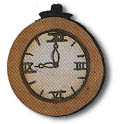
1948년 1월 30일 이른 저녁시간이었다. 간디는 그때 인도의 부총리 및 그의 친근 발라바이 파텔(Vallabhai Patel)을 만나 같이 기도를 하기로 했었다. 항상 5시 정각에 기도에 참석하던 간디는 이 날 따라 5시가 되도 오지 않았다. 그리고 항상 간디의 도티(힌두교 허리의상)의 주름에 매달려 그에게 시간을 알려주던 시계는, 오늘 그가 늦었다는것을 알려주고 있었다. (이 부분에서 간디의 죽음을 서사적으로 표현하기 위해 약간의 문학적 표현들이 있다. 유의하면서 읽었으면 한다. - 번역자 주).

간디는 항상 시간을 칼같이 지키던 사람이며, 이렇게 정각에 도착하지 못할 때면 항상 안절부절 했었다. 그리고 5시 10분이 되어 드디어 간디가 약속장소에 나타났다. '간디의 지팡이'로 불리던 아바(Abha)와 마누(Manu)에게 양쪽에서 두 어깨를 부축받으며 말이다. 간디는 기도가 열리기로 했던 정원 입구로 들어서려던 참이었다. 그는 그의 손을 합장하여 관객들에게 나마스까라(Namascara)(안녕하세요 반갑습니다. 라는 힌디어)를 말하고 있었다. 그 순간이었다. 어떤 젊은 남자가 거칠게 그의 앞으로 와서 간디를 부축하던 마누(Manu)를 밀어냈다.
그 남자는 바로.. 전에 간디 집에 폭탄테러를 하려다 실패한 적이 있던 바로 그 나뚜람 고드세(Nathuram Godse)였다. 그는 마누를 밀쳐낸 후 간디에게 복종의 자세를 취하는 듯 몸을 굽히더니 그의 안주머니에서 권총을 꺼내들었다. 세 발의 총성이 울렸으며 총알은 모두 간디의 가슴을 관통하였다. 간디의 하얀 숄은 빨갛게 물들었다.. 그러나 간디는 마지막 순간까지 합장의 손을 떼어내지 않았다.. 그리고 그의 암살자를 축복하였다.. RAM! RAM! 을 외치며..

간디가 쓰러지고, 항상 그에게 시간을 알려주던 시계 또한 땅바닥에 떨어졌다. 그리고 시계바늘은.. 항상 그랬듯,, 5시 12분을 정확히 가르키며 멈추었다.(간디가 죽었다는 은유적 표현을 뜻한다 - 번역자 주)


(원문)
The last few months of Gandhi's life were to be spent mainly in the capital city of Delhi. There he divided his time between the 'Bhangi colony', where the sweepers and the lowest of the low stayed, and Birla House, the residence of one of the wealthiest men in India and one of the benefactors of Gandhi's ashrams. Hindu and Sikh refugees had streamed into the capital from what had become Pakistan, and there was much resentment, which easily translated into violence, against Muslims. It was partly in an attempt to put an end to the killings in Delhi, and more generally to the bloodshed following the partition, which may have taken the lives of as many as 1 million people, besides causing the dislocation of no fewer than 11 million, that Gandhi was to commence the last fast unto death of his life. The fast was terminated when representatives of all the communities signed a statement that they were prepared to live in "perfect amity", and that the lives, property, and faith of the Muslims would be safeguarded. A few days later, a bomb exploded in Birla House where Gandhi was holding his evening prayers, but it caused no injuries. However, his assassin, a Marathi Chitpavan Brahmin by the name of Nathuram Godse, was not so easily deterred. Gandhi, quite characteristically, refused additional security, and no one could defy his wish to be allowed to move around unhindered. In the early evening hours of 30 January 1948, Gandhi met with India's Deputy Prime Minister and his close associate in the freedom struggle, Vallabhai Patel, and then proceeded to his prayers.

That evening, as Gandhi's time-piece, which hung from one of the folds of his dhoti [loin-cloth], was to reveal to him, he was uncharacteristically late to his prayers, and he fretted about his inability to be punctual. At 10 minutes past 5 o'clock, with one hand each on the shoulders of Abha and Manu, who were known as his 'walking sticks', Gandhi commenced his walk towards the garden where the prayer meeting was held. As he was about to mount the steps of the podium, Gandhi folded his hands and greeted his audience with a namaskar; at that moment, a young man came up to him and roughly pushed aside Manu. Nathuram Godse bent down in the gesture of an obeisance, took a revolver out of his pocket, and shot Gandhi three times in his chest. Bloodstains appeared over Gandhi's white woolen shawl; his hands still folded in a greeting, Gandhi blessed his assassin: He Ram! He Ram!

As Gandhi fell, his faithful time-piece struck the ground, and the hands of the watch came to a standstill. They showed, as they had done before, the precise time: 5:12 P.M.


Copyright : Copyright, Vinay Lal, 2001, 2012
번역 : 김태훈


<관련 시리즈 보기>

마하트마 간디 1 (Mahatma Gandhi)(영어 + 번역)  클릭
마하트마 간디 2 (Mahatma Gandhi)(영어 + 번역)  클릭
마하트마 간디 3 (Mahatma Gandhi)(영어 + 번역)  클릭
마하트마 간디 4 (Mahatma Gandhi)(영어 + 번역)  클릭
마하트마 간디 5 (Mahatma Gandhi)(영어 + 번역)  클릭


청소부, 이익 제공자, 난민, 분노, 뒤죽박죽, 친목/친선, 단념하다, 방해받지않다(hinder:방해하다), 부총리, 시계, 주름, 안절부절못하다, 토대석, 몸을굽히다, 복종, 시계바늘, 멈춤/정지

2012년 3월 31일 토요일

마하트마 간디 4 (Mahatma Gandhi)(영어 + 번역)


그 후로 몇년간, 간디는 인도사회 재건설 작업에 온 몸을 바쳐 참여하게 된다. 그는 인도가 독립을 얻지 못한다면, 다시는 아메다바드(Ahmedabad)에 있는 그의 집(Sabarmati Ashram)으로 돌아오지 않을 것이라고 소금의 행진(3부 참조)에서 맹세하였다. 그리고 1930년대 중반에는 그는 그의 원래 집에서 멀리 떨어진 곳에 새로운 거처와 마을을 짓기 시작하였다. 그 곳은 바로 인도에서 '죽음의 심장' 이라고 불리는 세가온(Segaon) 지역. 그곳에는 전기도 없었고 물도 없었다. 오로지 어둠과 죽음많이 있을 뿐이었다.

간디가 이곳에 마을을 짓기 시작하자, 많은 정치가들이 이에 관심을 갖고 간디와 미래 인도의 독립에 대해 얘기하기 시작한다. 그리고 이 마을에 많은 유명인사가 찾아오게 되는데 그 중 대표적인 사람으로 마가렛 생거 여사(미국에 출산정책을 제안한 사람)도 있었다. 간디는 또한 전국을 돌아다니며 그를 요구하는 곳곳마다 찾아갔다.


간디는 이러한 활동을 하는 와중에 북부 국경지역에 가서 그의 열정적인 제자였던 파싼(Pathan) - 국경의 간디라고 불리우는 사람 - 를 만나기도 하였다.

그러다가 세계 2차대전이 발발하게 된다. 이에 대해서 간디와 의회의 수뇌부는 파씨즘과 영국의 제국주의를 격하게 비난하면서 중립을 선언한다. 그런데 모두가 그런 의견을 갖고 있던 것은 아니었다. 당시 의회장이었던 수바스 찬드라 보스(Subhas Chandra Bose)는 이러한 간디의 의견에 반대를 하였다. 그리고 보스는 영국의 몰락이 당시 인도의 기회라고 생각을 했다. 그 와중에 보스는 의회장 재선을 놓고 간디와 접전을 벌여 승리를 하게 된다. 그럼에도 불구하고 그의 머릿속에 계속 맴돌던 생각은 바로, 간디가 여전히 국회에 영향을 미치고 있고, 간디와 그를 추종하는 사람들의 협조를 얻지 않는 이상 국회를 안정적으로 운영하기 힘들다는 것이었다. 결국 보스는 사임장을 제출하게 되고, 의회장직에서 사임하자 마자 일본과 독일 나치주의자들의 협조자를 구하러 도망을 갔다.


 어느덧 시간은 흘러 1942년이 되고, 간디는 영국 법으로부터의 마지막 독립 선언을 하게 된다. 그것이 바로 그 유명한 8월의 크란티 마이단(Kranti Maidan) 선언이다. 여기서 간디는 매우 감동적인 연설과 함께 모든 인도인들에게 자유를 위해 목숨을 바칠 것을 요구하였다. 여기서 그가 한 말이 바로 "실천하지 않을거면 죽어라.(Do or Die)" 라는 만트라(힌두교의 진언)이다.

같은 시기 간디는 영국으로 하여금 인도를 떠날 것을 촉구하였다. 이에 대해 영국 정부는 간디를 다시 체포하게 되고, 이로인해 인도 국회는 다시 벽에 부딪히게 된다. 간디는 이 때 체포가 되어서 세계 2차대전이 끝날 때 까지 감옥생활을 하게 된다.


몇 달 후, 간디와 카스투르바(Kasturba)는 푸네(Pune)에 있는 아가 칸 왕궁(Aga Khan's Palace)에 구금되게 된다. 그리고 이 곳에서 카스투르바는 생을 마감하게 된다. 이것은 간디에게 매우 충격적인 사건이었다. 왜냐하면 카스투르바가 죽기 바로 전, 그의 유능하고 충실했던 비서 마하데브 데자이(Mahadev Desai)도 죽었기 때문이다. 소중한 두 사람을 잃은 간디의 슬픔은 이만저만이 아니었다.

1942년부터 1945년까지는 무슬림 연맹이 창궐되던 시기였다. 그것은 무슬림 일부 이익단체가 만든 것이었는데, 매우 영국에 협조적인 단체였으며, 심지어 그들의 전쟁을 돕기까지 했다. 그리고 이 시기에 영국에 정권이 바뀌고 인도 독립에 긍정적이었던 Clement Atlee 휘하의 새로운 정부가 들어서면서 인도의 독립은 급속하게 진행되게 된다. 그리고 이에 대한 진지한 협상도 같이 진행이 된다. 여기서 간디는 인도의 정치인들이 권력을 얻기 위해 고군분투 하려 한다는 사실을 감지한다. 그래서 그 협상들에 최대한 참여를 하지 않았다.


그러면서 그는 인도의 분할에 대해 강력하게 비판하였다.(당시 영국이 내세운 조건은 인도와 파키스탄을 분할독립한다는 것이다. vivisection은 생체 해부를 뜻하는데 이러한 사실을 묘사한 말 같다 - 번역자 주). 그리고 이러한 비판은 많은 사람들에게 받아들여졌다. (심지어 그를 비판하던 사람들도, 간디의 마지막 생애는 존경을 한다.).

또한 간디는 폭동으로 산산조각이 난 노아크할리(Noakhali) 지방의 마을과 마을을 돌아다니면서 부상자들과 과부들을 돌봤다. 노아크할리 폭동이란 비하르에서 있었던 힌두교도들의 무슬림교도 살인에 대한 보복으로 일어났던 무슬림교도들의 폭동을 말한다. 그리고 캘커타(Calcutta)지방에 가서 힌두와 무슬림의 국경분쟁을 조정하기 시작한다. 그의 노력으로 캘커타에서 일어나던 잔인한 전쟁은 막이 내리게 되고, 그 어떤 사람들도 간디의 이러한 '캘커타의 기적(Miracle of Calcutta)' 에 대해 토를 달지 않았다.

1947년 8월 15일, 인도는 드디어 독립을 한다. 그리고 간디는 그 때부터 네루(Nehru)지방에만 머물러 살았다. 모든 정치인들이 그에게 경의를 표했고, 그를 인도 독립의 건설자이자 인도의 아버지라고 칭송하였다.


(원문)


For the next few years, Gandhi would be engaged mainly in the constructive reform of Indian society. He had vowed upon undertaking the salt march that he would not return to Sabarmati Ashram in Ahmedabad, where he had made his home, if India did not attain its independence, and in the mid-1930s he established himself in a remote village, in the dead center of India, by the name of Segaon [known as Sevagram]. It is to this obscure village, which was without electricity or running water, that India's political leaders made their way to engage in discussions with Gandhi about the future of the independence movement, and it is here that he received visitors such as Margaret Sanger, the well-known American proponent of birth-control. Gandhi also continued to travel throughout the country, taking him wherever his services were required.


One such visit was to the Northwest Frontier, where he had in the imposing Pathan, Khan Abdul Ghaffar Khan (known by the endearing term of "Frontier Gandhi", and at other times as Badshah [King] Khan), a fervent disciple. At the outset of World War II, Gandhi and the Congress leadership assumed a position of neutrality: while clearly critical of fascism, they could not find it in themselves to support British imperialism. Gandhi was opposed by Subhas Chandra Bose, who had served as President of the Congress, and who took to the view that Britain's moment of weakness was India's moment of opportunity. When Bose ran for President of the Congress against Gandhi's wishes and triumphed against Gandhi's own candidate, he found that Gandhi still exercised influence over the Congress Working Committee, and that it was near impossible to run the Congress if the cooperation of Gandhi and his followers could not be procured. Bose tendered his resignation, and shortly thereafter was to make a dramatic escape from India to find support among the Japanese and the Nazis for his plans to liberate India.


In 1942, Gandhi issued the last call for independence from British rule. On the grounds of what is now known as August Kranti Maidan, he delivered a stirring speech, asking every Indian to lay down their life, if necessary, in the cause of freedom. He gave them this mantra: "Do or Die"; at the same time, he asked the British to 'Quit India'. The response of the British government was to place Gandhi under arrest, and virtually the entire Congress leadership was to find itself behind bars, not to be released until after the conclusion of the war.


A few months after Gandhi and Kasturba had been placed in confinement in the Aga Khan's Palace in Pune, Kasturba passed away: this was a terrible blow to Gandhi, following closely on the heels of the death of his private secretary of many years, the gifted Mahadev Desai. In the period from 1942 to 1945, the Muslim League, which represented the interest of certain Muslims and by now advocated the creation of a separate homeland for Muslims, increasingly gained the attention of the British, and supported them in their war effort. The new government that came to power in Britain under Clement Atlee was committed to the independence of India, and negotiations for India's future began in earnest. Sensing that the political leaders were now craving for power, Gandhi largely distanced himself from the negotiations. He declared his opposition to the vivisection of India. It is generally conceded, even by his detractors, that the last years of his life were in some respects his finest. He walked from village to village in riot-torn Noakhali, where Hindus were being killed in retaliation for the killing of Muslims in Bihar, and nursed the wounded and consoled the widowed; and in Calcutta he came to constitute, in the famous words of the last viceroy, Mountbatten, a "one-man boundary force" between Hindus and Muslims. The ferocious fighting in Calcutta came to a halt, almost entirely on account of Gandhi's efforts, and even his critics were wont to speak of the Gandhi's 'miracle of Calcutta'. When the moment of freedom came, on 15 August 1947, Gandhi was nowhere to be seen in the capital, though Nehru and the entire Constituent Assembly were to salute him as the architect of Indian independence, as the 'father of the nation'.


Copyright : Copyright, Vinay Lal, 2001, 2012
번역 : 김태훈


<관련 시리즈 보기>

마하트마 간디 1 (Mahatma Gandhi)(영어 + 번역)  클릭
마하트마 간디 2 (Mahatma Gandhi)(영어 + 번역)  클릭
마하트마 간디 3 (Mahatma Gandhi)(영어 + 번역)  클릭
마하트마 간디 4 (Mahatma Gandhi)(영어 + 번역)  클릭
마하트마 간디 5 (Mahatma Gandhi)(영어 + 번역)  클릭


어두컴컴한, (애써)나아가다, 제안자, 열정적인, 시작/발발, 제국주의, 획득하다, 부드럽게하다/제출하다, 목숨을버리다, 구금, 죽다, ~에 바로 이어(following), 천부적인 재능이 있는, 매우 진지하게, 갈망하다, 생체해부, 인정되다, 비방자, 훌륭함, 제국, 단독적인, 잔인한, ~로 인해

2012년 3월 30일 금요일

마하트마 간디 3 (Mahatma Gandhi)(영어 + 번역)


 투옥 생활 중, 간디의 몸은 많이 쇠약해졌다. 그래서 결국 1925년 석방이 된다. 그가 감옥에 있던 몇 년간 그는 힌두와 무슬림의 관계를 안정시키기 위해 많은 노력을 기울였다. 그리고 감옥생활 막바지였던 1924년, 그는 21일간의 단식 대 장정에 들어갔었다. 그 이유는 바로, 북서부 경계의 군사지역이었던 코하트(Kohat) 지방에서 힌두와 무슬림간의 폭동사태가 일어났던 것. 그 엄청난 단식은 그가 했던 많은 공개 단식중의 하나였을 것이다.


1932년이 되면서, 그는 Epic Fast라고 불리는 죽음의 단식에 돌입한다. 단식의 목적은 바로 '건드릴 수 없는 계층(Untouchable)' 이라고 불리고 억압받던 인도의 최하위 계층에게 독립된 선거권을 주자는 것이었다. 당시 힌두 사회에는 엄격한 계층이 존재했었다. 그리고 그것이 사회의 발전을 막는 큰 걸림돌로 작용하고 있었다. 그런데 한 가지 문제가 있었다. 최하위 계층의 지도자가 간디에게 반기를 들고 일어섯던 것. (아마 간디가 정치적인 인기를 위해 자신을 이용하는 것이 아닌가 하는 생각을 했던 것 같다.) 아무도 간디가 진심으로 그런 일들을 하는 지에 대해서는 믿지 않았다. 왜냐하면 간디가 한 번도 힌두와 무슬림이 인도 사회의 두 부분을 구성하고 있다는 논쟁에 대해 수긍하지 않았기 때문이다. 그리고 그러한 여론들은 간디의 머리속에 가장 크게 자리잡고 있던 걱정이었다.


아무튼 그럼에도 불구하고 간디는 꿋꿋이 사회 재정비를 하기 위해 건설적인 사회 프로그램들을 시작하게 된다. 간디는 위생과 건강에서부터 교육, 노동에 이르기까지, 사회 제반에 대해 몇 가지 건설적인 생각들을 갖고 있었다. 그리고 그가 설립한 한 신문사를 통해 거침없이 그 생각들을 사람들에게 알리기 시작했다. 정말이지, 만약 간디에 대해 아무도 인도에서 알아주지 않는다고 하더라도, 한가지 분명한 사실은 그가 인도 신문업계 역사에서 빼놓을 수 없는 중요한 업적을 남기고 갔다는 것이다.


1930년 초반이 되자, 다시 민족 운동가들의 움직임이 활발해졌다. 그리고 당시 민족 운동가들의 거점 역할을 하던 인도 국립 의회(Indian National Congress)는 완전한 독립(Pruna Swaraj)이 곧 이루어 질 것이라고 선언하기에 이른다. 그러한 선언이 발표되고 나자, 사람들은 하나 둘 씩 영국의 불합리한 법에 맞서 저항 운동 대열에 참여하기 시작한다.

같은 해 3월 2일, 간디는 Lord Irwin(영국에서는 상원의원을 Lord라고 불렀음 - 번역자 주)이라고 불리는 Viceroy에게 한 장의 편지를 보낸다. 그리고 그 편지에서 지금까지 영국이 많이 물러난 것은 사실이지만, 인도는 앞으로도 여전히 소금법에 대해 강력하게 맞설 것이라고 말을 한다. (당시 소금법은 영국이 인도인들을 착취하기 위해 만든 법안으로서, 인도인들로 하여금 모든 소금을 영국으로부터 수입해서 쓸 것을 강요하는 내용이었다 - 번역자 주). 그의 편지에 많은 인도인들은 조금은 당황스러운 기쁨을 표했다. 그리고 간디는 바로 그 편지의 내용을 실천하기 시작한다.


1930년 3월 12일 이른 아침, 간디와 그의 무리들은 Dandi 지방의 해안가로 향한다. 그리고 4월 5일날 그곳에 도착하였다.(그때 당시 간디와 많은 사람들은 직접 걸어서 그곳까지 갔다 - 번역자 주). 간디는 그 곳에서 사람들에게 직접 소금을 제조하는 법을 가르치며 한 뭉치의 소금을 집어 들어 보여주었다. 그리고 이 사건으로 인해 수천만, 수억명(당시 인도 인구는 3억)의 사람들이 이 소금법에 대항하게 된다. 그리고 이것은 또한 불복종 운동의 단초가 되기도 하였다. 간디는 이 사건으로 인해 다시 체포가 되었고, 다른 수백명의 사람들도 같이 체포가 되고 감옥에 구금이 되었다. 그런데 사건은 곧 해결되기 시작한다. 바로 영국 상원 Irwin이 간디와의 대화를 할 것을 요청했기 때문이다. 그리고 이어서 영국 런던에서 인도의 독립 문제를 놓고 원탁 회의가 열리게 된다. (아마 영국인들이 많이 부담을 느낀 것 같다.). 결국 1931년 간디는 영국으로 향하고, 그를 존경하는 몇몇 유럽인들을 만나서 힘을 쏟았지만, 인도 독립 문제 협상은 쉽게 끝나지가 않았다. 그리고 다시 인도로 돌아오는 간디, 오자마자 다시 체포가 된다.


(원문)

Owing to his poor health, Gandhi was released from prison in 1925. Over the following years, he worked hard to preserve Hindu-Muslim relations, and in 1924 he observed, from his prison cell, a 21-day fast when Hindu-Muslim riots broke out at Kohat, a military barracks on the Northwest Frontier. This was to be of his many major public fasts, and in 1932 he was to commence the so-called Epic Fast unto death, since he thought of "separate electorates" for the oppressed class of what were then called untouchables (or Harijans in Gandhi's vocabulary, and dalits in today's language) as a retrograde measure meant to produce permanent divisions within Hindu society. Gandhi earned the hostility of Ambedkar, the leader of the untouchables, but few doubted that Gandhi was genuinely interested in removing the serious disabilities from which they suffered, just as no one doubt that Gandhi never accepted the argument that Hindus and Muslims constituted two separate elements in Indian society. These were some of the concerns most prominent in Gandhi's mind, but he was also to initiate a constructive programme for social reform. Gandhi had ideas -- mostly sound -- on every subject, from hygiene and nutrition to education and labor, and he relentlessly pursued his ideas in one of the many newspapers which he founded. Indeed, were Gandhi known for nothing else in India, he would still be remembered as one of the principal figures in the history of Indian journalism.


In early 1930, as the nationalist movement was revived, the Indian National Congress, the preeminent body of nationalist opinion, declared that it would now be satisfied with nothing short of complete independence (purna swaraj). Once the clarion call had been issued, it was perforce necessary to launch a movement of resistance against British rule. On March 2, Gandhi addressed a letter to the Viceroy, Lord Irwin, informing him that unless Indian demands were met, he would be compelled to break the "salt laws". Predictably, his letter was received with bewildered amusement, and accordingly Gandhi set off, on the early morning of March 12, with a small group of followers towards Dandi on the sea. They arrived there on April 5th: Gandhi picked up a small lump of natural salt, and so gave the signal to hundreds of thousands of people to similarly defy the law, since the British exercised a monopoly on the production and sale of salt. This was the beginning of the civil disobedience movement: Gandhi himself was arrested, and thousands of others were also hauled into jail. It is to break this deadlock that Irwin agreed to hold talks with Gandhi, and subsequently the British agreed to hold a Round Table Conference in London to negotiate the possible terms of Indian independence. Gandhi went to London in 1931 and met some of his admirers in Europe, but the negotiations proved inconclusive. On his return to India, he was once again arrested.


Copyright : Copyright, Vinay Lal, 2001, 2012
번역 : 김태훈


<관련 시리즈 보기>


마하트마 간디 1 (Mahatma Gandhi)(영어 + 번역)  클릭
마하트마 간디 2 (Mahatma Gandhi)(영어 + 번역)  클릭
마하트마 간디 3 (Mahatma Gandhi)(영어 + 번역)  클릭
마하트마 간디 4 (Mahatma Gandhi)(영어 + 번역)  클릭
마하트마 간디 5 (Mahatma Gandhi)(영어 + 번역)  클릭


독립적 선거권(유권), 후퇴시키다, 구성하다, 거침없이, 아주/바로(그거), 명쾌한 종소리/대선언, 부득이하게/필연적으로, 강제로~하다/~할 수 밖에 없다, 어리둥절하게, 덩어리/뭉치, 잡아끌어 넣다, 막다른 골목, 결론이 나지 않는